Four Day Workweek Future Gains Attention as Zoom CEO Says AI Will Redefine Office Life and Free Up Human Time
Zoom CEO Eric Yuan predicts AI agents will take over repetitive office tasks, reducing workload and paving the way for shorter workweeks and more personal time for employees

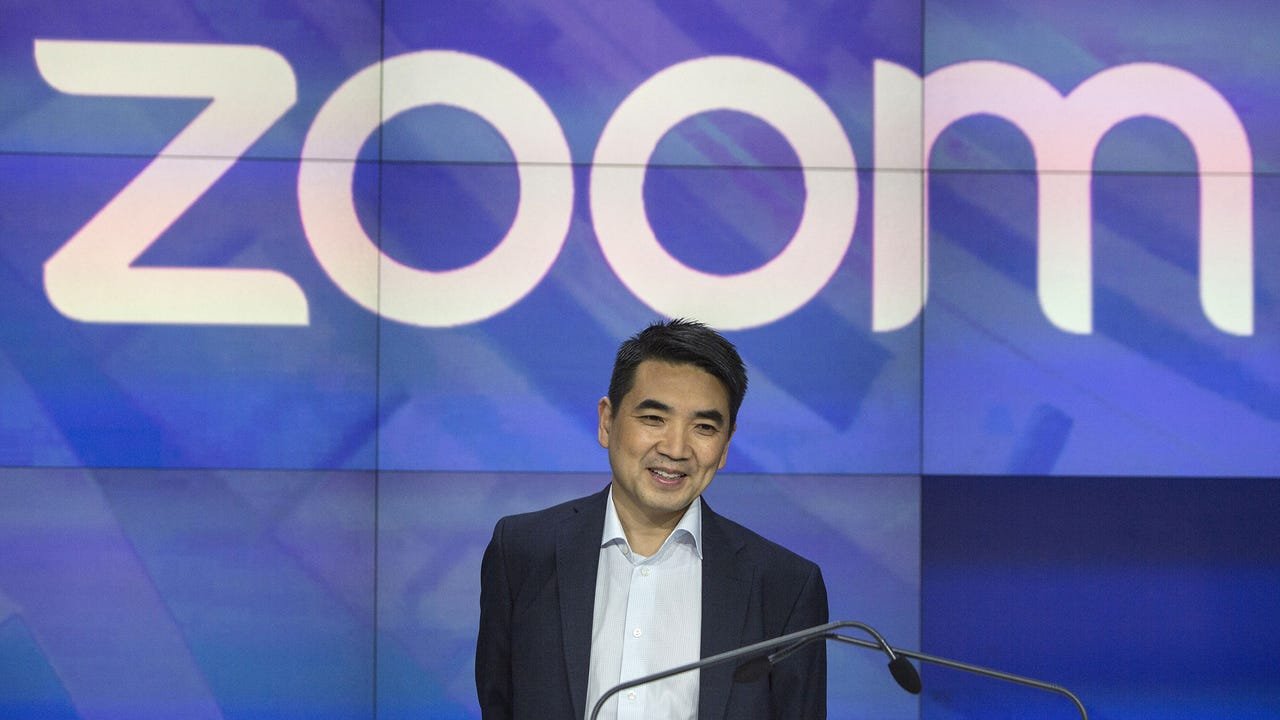
The way people work is slowly entering a new phase as artificial intelligence continues to reshape offices around the world. What once sounded like a distant idea is now being openly discussed by top tech leaders. Among them, Zoom CEO Eric Yuan has shared a bold prediction that the traditional five day workweek may not survive in the long run.
According to him, AI agents will gradually take over many routine office responsibilities, allowing employees to work fewer days while maintaining productivity. He believes that tasks which once required constant human attention will soon be handled by digital assistants working quietly in the background.
In his view, this shift could bring a major change in daily office life. Activities like managing emails, organizing meetings, and handling data could become fully automated. Instead of spending hours on repetitive work, employees may find themselves supervising multiple AI tools that handle different parts of their job with speed and accuracy.
Eric Yuan has even suggested that people might one day rely on thousands of AI agents working alongside them. This, he explained, could help individuals complete more meaningful work in less time while improving overall efficiency. He also admitted in a lighthearted way that even he would prefer a shorter workweek if given the choice.


His comments place AI in the same category as earlier industrial revolutions. He compared the current shift to the transformation brought by assembly lines, which once changed production systems and eventually reduced the standard workweek from six days to five. In a similar way, he believes AI could be the next big turning point in how human labor is structured.
As automation increases, Yuan expects employees to gain more free time. That extra time, he said, could be used for learning new skills, focusing on creative work, or simply spending more time with family. He even imagined a future where people could step away from screens more often and enjoy life outside office walls without sacrificing professional growth.
Interestingly, this is not just theoretical thinking. Yuan has already experimented with AI in his own company. In a past earnings call, he used an AI generated version of himself to deliver part of the presentation, showing how digital avatars can already take over human roles in specific scenarios.
The idea of reducing working days is also gaining attention beyond Zoom. Several tech leaders and companies are now exploring shorter workweek models. Some believe that productivity does not necessarily depend on longer hours, but on smarter use of time supported by technology. AI driven efficiency is often at the center of this discussion.
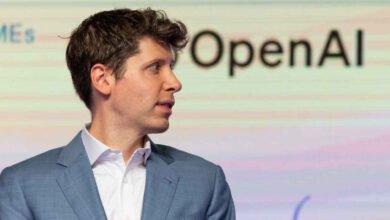
Even industry voices like OpenAI have suggested experimenting with a four day workweek, arguing that output quality can remain strong even with reduced working hours. At the same time, financial leaders such as Jamie Dimon have pointed out that future work patterns could shrink even further, depending on how AI evolves.
Still, opinions remain divided. While some see AI as a tool for freedom and better work life balance, others worry about its impact on job security. The debate continues as companies experiment with automation and employees adjust to changing expectations.
What is becoming clear, however, is that the workplace of tomorrow will not look like today. Whether it leads to four day weeks or even shorter schedules, AI is already pushing the world to rethink how time, work, and productivity are connected in modern life.