Pakistan army chief Asim Munir ‘planning Kashmir provocation’ amid diplomatic setbacks: Report

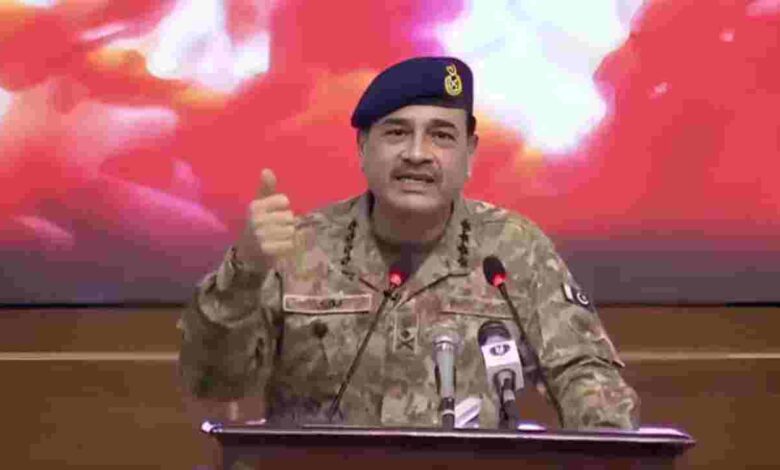
New Delhi/Islamabad: Amid rising geopolitical tensions, fresh intelligence inputs suggest that Asim Munir, Chief of the Pakistan Army, may be exploring aggressive strategies to regain strategic relevance following setbacks in diplomatic efforts between United States and Iran.
According to security agency reports, Pakistan’s attempts to mediate between the US and Iran have failed twice, denting its international image. The situation has reportedly pushed Islamabad to recalibrate its regional strategy, with a renewed focus on Kashmir as a means to draw global attention.
Officials believe that Munir, facing pressure to consolidate his influence within Pakistan’s power structure, may be attempting to use regional tensions as leverage. Reports indicate that he is also eyeing a larger political role, drawing comparisons with former military ruler Pervez Musharraf, who held power between 2001 and 2008.


Pakistan Prime Minister Shehbaz Sharif has already acknowledged the country’s ongoing economic challenges, particularly an energy crisis, which analysts say has further complicated Islamabad’s diplomatic standing.
Intelligence sources claim that two possible strategies are being considered. The first involves activating local militant networks to destabilise tourism and stretch security forces in sensitive regions. The second strategy reportedly includes facilitating cross-border infiltration by militants to escalate tensions along the Line of Control.
Security experts view these developments as part of a broader attempt to internationalise the Kashmir issue and re-engage global powers, particularly the United States. By doing so, Pakistan may seek to restore diplomatic relevance and strengthen bilateral ties with Washington.
The reported moves also come at a time when Munir’s global diplomatic image has taken a hit after unsuccessful peace initiatives involving Iran. Analysts suggest that raising tensions in Kashmir could be aimed at repositioning himself as a key strategic player, both domestically and internationally.
While there has been no official confirmation from Pakistani authorities, Indian security agencies are said to be closely monitoring developments. Any escalation in the region could have serious implications for stability in South Asia, particularly given the fragile security environment and history of cross-border tensions.
The situation remains fluid, with observers warning that geopolitical calculations and domestic ambitions could further complicate an already volatile regional landscape.