Tech Layoffs Surge as AI Investments Reshape Hiring Across Industry
Major technology companies are cutting thousands of jobs while increasing spending on artificial intelligence, signaling a shift in workforce demand and raising concerns about future employment trends in tech sector

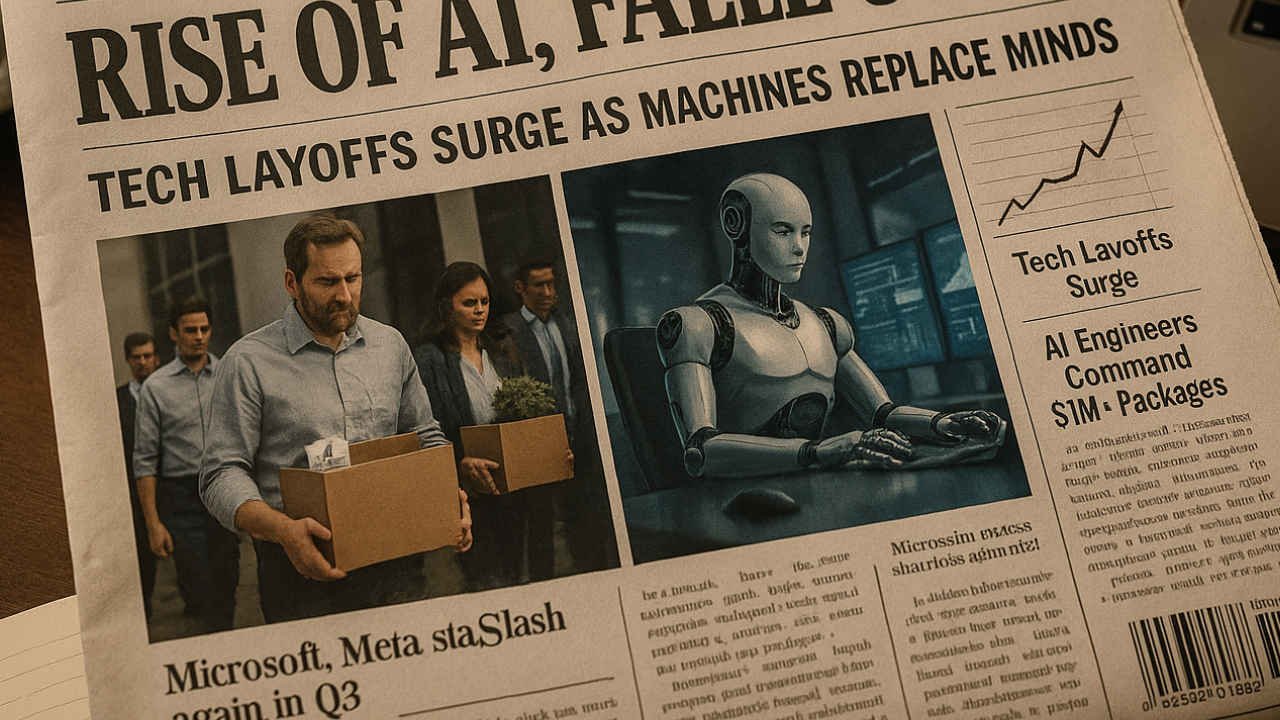
A wave of job cuts is expected across some of the world’s biggest technology firms, as companies accelerate investments in artificial intelligence while trimming their workforce. Reports suggest that firms including Meta and Microsoft could together reduce more than 20000 roles in the near term, reflecting a broader shift in how tech companies operate.
The layoffs are not limited to just two companies. Industry giants such as Amazon and Alphabet are also part of a growing trend where businesses are reallocating resources toward AI development. Analysts estimate that around 700 billion dollars could be invested globally in AI infrastructure this year alone, highlighting the scale of transformation underway.
As automation tools become more capable, many routine and manual tasks are being handled by AI systems, reducing the need for large teams in certain roles. This shift is particularly visible in entry level and general IT positions, where hiring has slowed. At the same time, demand for specialized roles such as AI engineers and data experts continues to rise, indicating a changing job landscape rather than a complete decline in opportunities.
Recent data shows that the impact has already been significant. Since the beginning of 2026, tens of thousands of employees in the tech sector have lost their jobs, adding to a much larger number of layoffs recorded over the past few years. Companies are also reassessing hiring decisions made during the pandemic, when rapid expansion led to increased recruitment that is now being scaled back.


Individual companies have outlined specific plans. Meta is reportedly preparing to reduce around 10 percent of its workforce, affecting thousands of employees, while also pausing several hiring initiatives. Microsoft is expected to follow a similar approach, focusing on cost efficiency and automation driven productivity.
The ripple effect extends beyond traditional tech firms. Nike has announced job cuts impacting hundreds of employees, including roles linked to technology operations. Meanwhile, Snap and Salesforce have also reduced their workforce in recent months, and Oracle has indicated further restructuring as it increases spending on AI initiatives.
Experts say the trend reflects a deeper structural shift rather than a temporary slowdown. Companies are prioritizing efficiency and innovation, often relying on AI to streamline operations and reduce costs. While this transition may create uncertainty for many workers, it is also expected to generate new opportunities in emerging technology fields.
As the industry continues to evolve, the balance between automation and employment remains a key concern, with businesses and workers alike adapting to a rapidly changing digital economy.