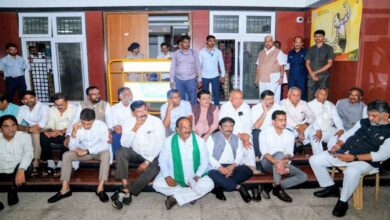
Singur Still Struggles Between Lost Farmland and a Factory That Never Came
Eighteen years after Tata Motors left Singur, the region faces damaged farmland, lost job opportunities, and a lasting political impact that continues to shape elections and local sentiment.

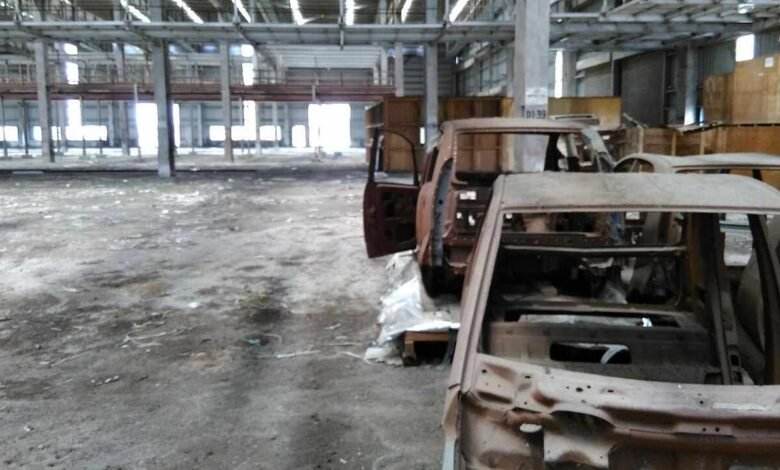
Singur, once at the center of a high-stakes industrial push, now reflects a story of missed opportunities and lingering uncertainty. Nearly two decades after Tata Motors withdrew its ambitious small car project, the land tells a different story one of neglect, broken expectations, and unresolved tensions.
Across large stretches of the acquired area, farming has not fully returned. While the land was legally handed back to farmers following a Supreme Court ruling, the reality on the ground remains far from ideal. Concrete debris, buried metal, and damaged soil have made cultivation difficult. Many farmers say the land no longer produces crops as it once did, forcing them to spend heavily just to make it usable again.
The region, located in a fertile river basin, was once known for its rich agricultural output. Paddy, vegetables, and flowers grew in abundance. Today, however, several families say they have lost both their primary source of income and their sense of stability. For many, the land they fought to reclaim now feels more symbolic than practical.
The impact is especially visible among the younger generation. Many who had hoped to find employment in the proposed factory have since moved away or taken up low-paying jobs in cities. Some work as drivers, others in small industries, while a few have migrated outside the state altogether in search of better prospects.

Interestingly, a shift in public opinion is becoming more visible. Several residents who once opposed the factory now express regret. They say they were convinced that industrial development should not take place on fertile land, but in hindsight, believe that losing both agriculture and industry has left them worse off.
The Singur episode also reshaped the political landscape of West Bengal. The protests against land acquisition played a crucial role in ending the decades-long rule of the Left Front and helped Mamata Banerjee rise to power in 2011. However, the same issue continues to cast a shadow over current political debates.
With elections approaching, Singur has once again become a battleground for competing narratives. While the ruling party highlights compensation, development schemes, and infrastructure improvements, opposition voices argue that the region was abandoned after being used as a political stepping stone.
Despite visible dissatisfaction among some sections, voting patterns have remained largely consistent, with the ruling party retaining strong support in the constituency. At the same time, opposition parties are trying to tap into growing frustration, especially among youth seeking employment opportunities.
What makes Singur unique is the divide in public sentiment. Older farmers remain cautious about any talk of land acquisition, fearing a repeat of past events. The middle-aged population often feels let down by both political promises and the outcomes of the movement. Meanwhile, the younger generation is increasingly focused on one question jobs.
Today, the abandoned factory site stands as a silent reminder of what could have been. Overgrown with weeds and slowly being stripped for scrap, it represents both a lost industrial opportunity and a turning point in Bengal’s political history.