Iran’s Supreme Leader Mojtaba Khamenei critical, undergoing treatment: Report

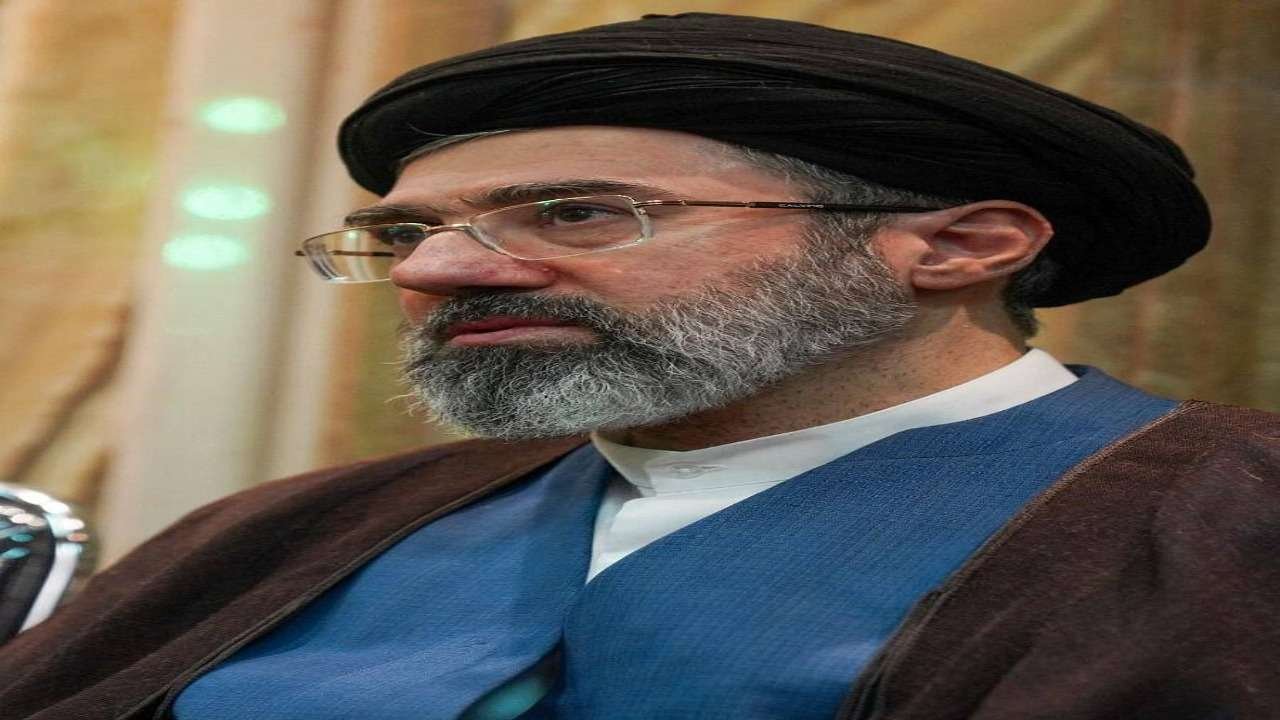
Tehran: Mojtaba Khamenei, who is reported to have taken over as Iran’s Supreme Leader, is currently in a critical condition and unconscious, according to a report by The Times. He is said to be undergoing treatment in the city of Qom.
The report, citing intelligence inputs from the United States and Israel, claims that the 56-year-old leader is in no condition to make administrative or military decisions. His deteriorating health has reportedly raised concerns within Iran’s political and military establishment amid the ongoing conflict in West Asia.
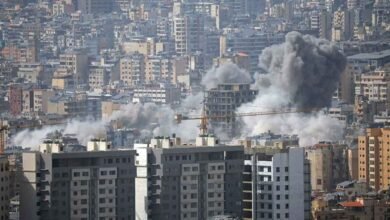
According to the report, Mojtaba sustained injuries to his hands, legs, and shoulders during the early phase of the ongoing war. Intelligence sources, particularly from Israel, had earlier indicated that he was wounded during aerial strikes carried out at the beginning of the conflict.
The leadership transition reportedly took place after the death of Ayatollah Ali Khamenei, who was said to have been killed in an airstrike allegedly conducted by the United States and Israel during the initial stages of the war that began on February 28. The 86-year-old leader’s death marked a major turning point in Iran’s political structure.
Following his demise, Mojtaba Khamenei, his son, was named as the successor. However, since his appointment, he has not made any public appearances, further fuelling speculation about his health and ability to govern.
The developments come at a time when tensions in the region remain high due to the ongoing Iran–Israel conflict. Analysts believe that uncertainty over Iran’s leadership could significantly impact both military strategies and diplomatic efforts in the region.
There has been no official confirmation from Iranian authorities regarding Mojtaba Khamenei’s health condition. The absence of a formal statement has added to the uncertainty, with global observers closely monitoring the situation.
Experts warn that any instability in Iran’s leadership could have far-reaching consequences, not only for the country but also for the broader Middle East, especially as the conflict continues to escalate.