Chabahar port exit puts India’s regional trade ambitions at risk

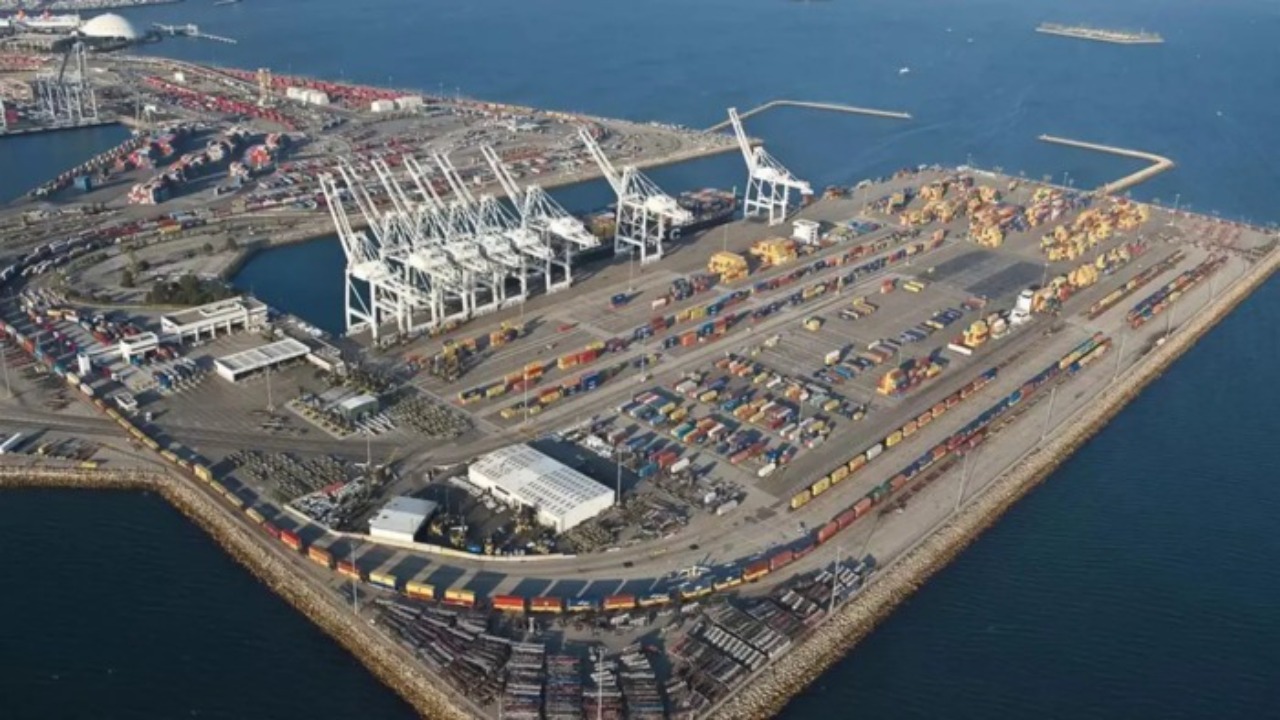
Tehran: India’s strategic and commercial interests in the Iranian port of Chabahar are facing fresh uncertainty following reports that the United States has asked New Delhi to wind up its operations at the port within six months.
Located close to the strategic Strait of Hormuz, Chabahar has long been viewed as India’s gateway to Afghanistan, Iran, Iraq and the wider Middle East, bypassing Pakistan and providing an alternative trade corridor for the region.
India began engaging with Iran over the development of Chabahar port in 2003, after repeated losses and security threats to Indian goods transported through Pakistan by road.
At the time, Indian exporters sending consignments to Afghanistan and West Asia faced large-scale theft and disruption once cargo entered Pakistani territory. To overcome this, the Atal Bihari Vajpayee-led government explored a sea-based route, identifying Chabahar as a viable strategic option.


Subsequent governments carried the project forward. Under Prime Minister Manmohan Singh, India deepened its engagement with Iran, while the Narendra Modi-led government operationalised the port for large-scale commercial use from 2014 onwards.
Indian cargo ships from Mumbai began transporting goods via the Arabian Sea to Chabahar, from where consignments were moved onward by road or sea to Afghanistan, Iran, Iraq and other Middle Eastern countries.
However, renewed pressure from Washington appears to have complicated this arrangement. As part of its hardline stance against Iran, the US has reportedly warned India to halt trade activities through Chabahar, despite the port’s importance for regional connectivity and humanitarian supplies to Afghanistan.
According to media reports, Indian goods worth thousands of crores of rupees are currently awaiting clearance at the port. India is said to be gradually reducing its presence at Chabahar to comply with US sanctions, even as the development has triggered sharp political debate at home.
While the government has not officially confirmed a complete exit, the prospect of vacating the port has raised concerns among strategic experts and exporters.
Chabahar is considered a key asset in India’s foreign policy toolkit, enabling New Delhi to maintain influence in Afghanistan and Central Asia while countering China’s presence at Pakistan’s Gwadar port. Any long-term withdrawal could weaken India’s regional trade leverage and disrupt supply chains built over the past decade.
In the past, the US had granted temporary sanctions waivers for Chabahar, recognising its role in stabilising Afghanistan and boosting regional trade. Whether such exemptions will be extended again remains unclear, leaving India’s future engagement at the port hanging in the balance.
Also Read: Ashok targets Siddaramaiah government over alleged excise scam, seeks minister’s removal