Google Launches Screenless Fitbit Air A Minimal Fitness Tracker Designed for Everyday Lifestyle Monitoring
Google introduces Fitbit Air a lightweight screenless fitness tracker with seven day battery life SpO2 monitoring heart rhythm alerts sleep tracking and deep Google Health integration designed for continuous comfort and smart lifestyle insights


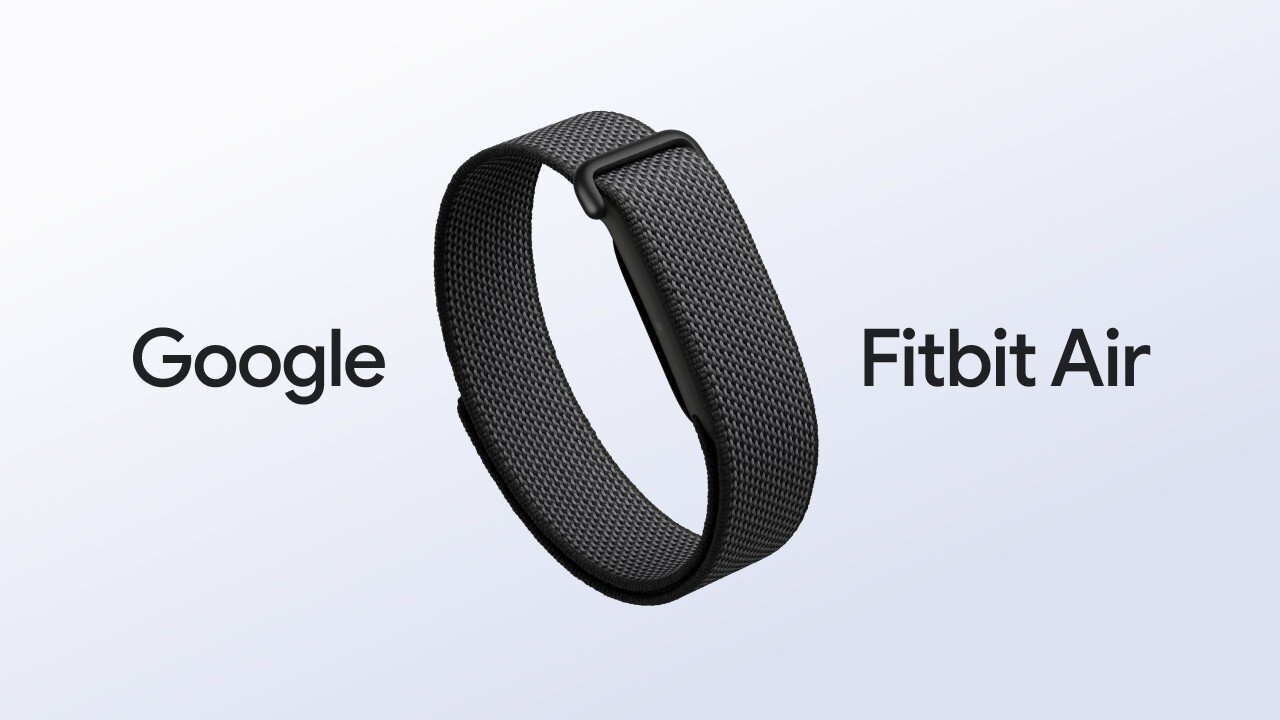
Google has officially stepped into a new direction in wearable technology with the launch of Fitbit Air, a screenless fitness tracker designed for users who prefer simplicity over traditional smartwatch displays. Unlike conventional wearables, this device focuses entirely on silent background tracking while delivering detailed health insights through the Google Health app. Its compact pebble like design makes it one of the lightest devices in the Fitbit lineup, aimed at all day and even night comfort.
One of the biggest talking points of Fitbit Air is its minimal approach. There is no built in display, which means users will not interact with the device directly. Instead, all health data is synced and viewed through a connected smartphone app. This design choice allows the tracker to remain extremely small and lightweight while still offering continuous monitoring without distractions.
On the health tracking front, Fitbit Air covers a wide range of features. It provides 24 hour heart rate monitoring along with resting heart rate tracking, heart rhythm analysis and alerts for atrial fibrillation. It also includes SpO2 monitoring for blood oxygen levels, sleep stage tracking and heart rate variability insights. Google has added adaptive algorithms that learn user patterns over time, making the tracking more personalized and accurate as days go by.
Battery life is another strong highlight of the device. Google claims that Fitbit Air can last up to seven days on a single charge, which is impressive for a device that constantly monitors health metrics. A quick charging feature also allows users to gain a full day of usage with just a few minutes of charging, making it convenient for busy lifestyles.

The device is managed entirely through the Google Health app, which acts as the central hub for all activity data. Users can start or stop tracking manually or rely on automatic activity detection. The tracker also integrates with Google Health Coach, offering personalized fitness guidance based on user habits. An interesting feature allows users to log workouts by simply capturing images of equipment or workout setups, making fitness tracking more flexible.
Google has also introduced a special edition variant in collaboration with NBA star Stephen Curry. This version comes with a Performance Loop Band in Rye Brown with orange detailing. It is designed with water resistant coating and improved airflow structure to enhance comfort during workouts. The special edition is priced higher than the standard model and targets users looking for a more premium design experience.
In terms of pricing, Fitbit Air is launched at an introductory price of 99.99 US dollars, which is roughly 9450 rupees. It also includes a three month trial of Google Health Premium services. The Stephen Curry Special Edition is priced at 129.99 US dollars and will be available in select markets. Additional accessory bands start at 34.99 US dollars. The device supports both Android and iOS platforms, making it widely accessible.
Despite its compact size, Fitbit Air includes advanced sensors such as optical heart rate monitoring, accelerometer, gyroscope and temperature tracking. It also features infrared and red sensors for oxygen measurement along with vibration feedback. The device can store up to seven days of motion data and keeps detailed workout history for better long term health analysis.
The design itself is built for everyday wear. Weighing just a few grams without the band, Fitbit Air uses recycled materials and is water resistant up to 50 meters. Its soft textile band and minimal structure make it suitable for continuous wear, even during sleep, without discomfort.
Google’s new Fitbit Air represents a shift toward invisible health tracking where technology works quietly in the background. Instead of constant screen interaction, it focuses on delivering meaningful health insights in a simple and effortless way, making it a unique addition to the growing wearable ecosystem.