Digital Arrest Scam Puts Mangaluru Senior Citizen in Shock Loss of Over 2 Crore Through Fake Investigation Calls
A 61 year old man from Mangaluru was tricked into transferring ₹2.07 crore after scammers posing as NIA and ED officials falsely accused him of SIM card misuse and terror related activities in a digital arrest fraud

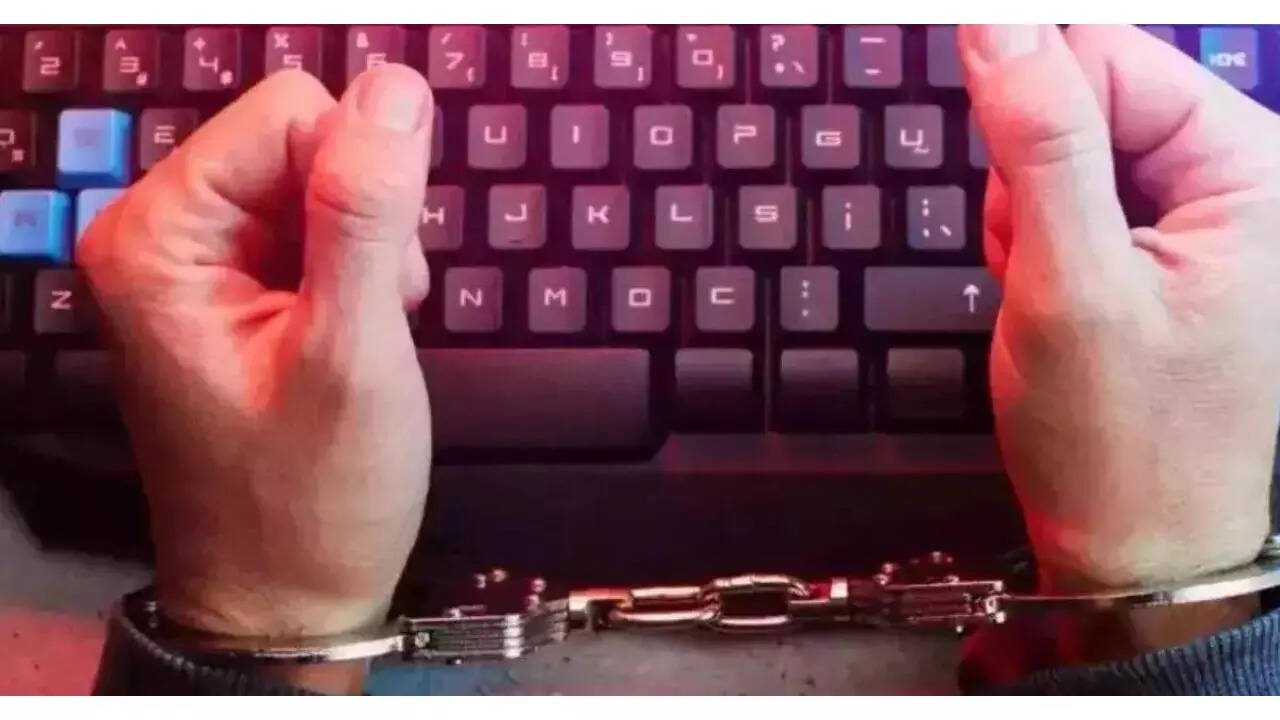
A disturbing cybercrime case from Mangaluru has exposed how convincing digital arrest scams have become. A 61 year old resident lost more than ₹2.07 crore after fraudsters manipulated him over several days by creating fear around fake criminal allegations. What began as a simple phone call soon turned into a carefully planned psychological trap that left the victim financially devastated.
The incident reportedly started on March 31 when the man received a call from an unknown number. The caller introduced himself as an official from a so called National Data Protection Centre and claimed that the victim’s identity had been misused. The allegation alone was enough to create panic, and the scammers used that fear to slowly gain control over the conversation.
Once the initial trust was broken, the fraudsters escalated their story. They claimed that a SIM card had been purchased in Mumbai using the victim’s identity and that it was being used for illegal activities. These included drug trafficking, sending threatening messages, and spreading objectionable content. The intention behind such serious accusations was to mentally pressure the victim into compliance without giving him time to verify any of the claims.
The situation became even more alarming when the scammers introduced fake legal consequences. The victim was told that multiple FIRs had been filed against him in Mumbai’s Colaba police station. To make the story appear authentic, the callers also mentioned central agencies like the National Investigation Agency and the Enforcement Directorate. Soon after, the victim began receiving repeated WhatsApp calls from different numbers, all pretending to be investigating officers.


The callers used fabricated identities such as Sandeep Rao and Matthew while claiming to represent NIA. They demanded personal details including biodata and other sensitive information, presenting it as part of an official inquiry. The constant pressure, combined with fear of arrest and humiliation, pushed the victim into believing the narrative created by the scammers.
As the intimidation continued, the fraudsters gradually convinced him that he needed to cooperate fully to avoid legal action. Under this psychological pressure, the victim ended up transferring money in multiple installments. By the time he realized something was wrong, he had already lost ₹2.07 crore.
This case highlights how modern cybercriminals are no longer relying on technical hacks alone. Instead, they are using fear, authority impersonation, and emotional manipulation to trap victims. Authorities continue to warn people that real agencies never demand money or personal financial transfers during investigations, and any such call should be treated with extreme caution.