
Breakthrough Transparent E Skin Lets Robots Feel Heat Pressure and Touch Like Humans
Scientists develop stretchable transparent electronic skin that allows robots to sense temperature pressure and touch opening new possibilities in healthcare prosthetics and soft robotics applications worldwide

In a development that is drawing global attention, researchers have introduced a transparent electronic skin that could fundamentally change how machines interact with the physical world. Designed to mimic the human sense of touch, this innovation allows robots to detect heat, pressure and texture almost instantly, narrowing the gap between human and machine capabilities.
The technology, created by a research team at the University of Turku in Finland, is both flexible and see through. Unlike traditional electronic materials, it can be stretched and bent without losing functionality. Scientists say this makes it suitable for a wide range of uses, from robotics to wearable medical devices.
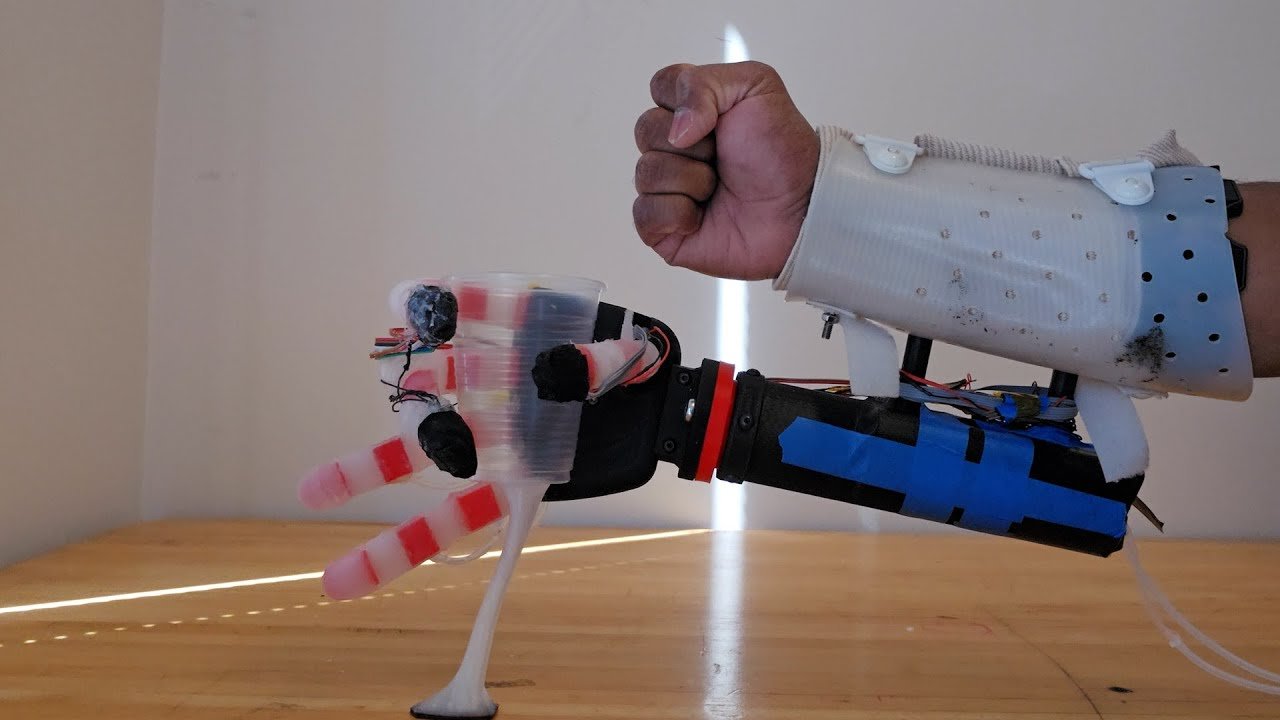
What sets this development apart is its ability to deliver real time tactile feedback. During testing, the material was placed on a robotic hand, where embedded sensors responded immediately when objects were touched. This allowed the machine to recognize whether something was hot, cold, soft or under pressure, a capability that has long been limited to biological systems.
The project has been led by Vipul Sharma, whose team drew inspiration from the structure of natural elements such as leaves. The result is a breathable material that allows air to pass through while maintaining electronic sensitivity. Researchers believe this combination of flexibility and responsiveness could be especially valuable for people who rely on prosthetic limbs, helping them regain a more natural sense of touch.


Beyond prosthetics, experts see major potential in healthcare and industrial robotics. Soft robots equipped with such skin could assist patients in hospitals, handle delicate objects in factories or operate safely in hazardous environments. Work in this area is also being advanced by Anastasia Koivikko, who focuses on developing machines that can safely interact with humans in real world settings.
Another key highlight of the innovation is its environmental approach. Instead of relying heavily on plastic or silicon, the team is exploring the use of bio based materials derived from wood. This shift could reduce electronic waste and lower dependence on traditional manufacturing sources, making the technology more sustainable in the long run.
Researchers say the breakthrough is still evolving, but its early success suggests a future where machines can feel and respond much like humans. As development continues, this transparent layer could become a cornerstone in next generation robotics, blending sensitivity with sustainability.