Rainy Season Gardening Trick That Can Make Guava Trees Bear Fruit Heavily in Clusters
Proper pruning, organic fertilizers, and moisture control during the monsoon season can transform guava trees into high-yield plants producing healthier fruits in abundant clusters.

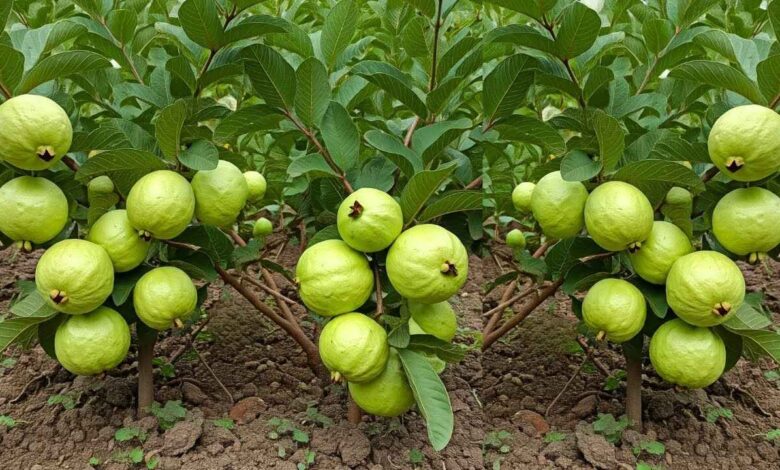
Guava is one of the most loved fruits in many households, enjoyed by both children and adults for its sweet taste and health benefits. But for home gardeners, getting a healthy and high yield from a guava tree is often the real goal. Experts suggest that the monsoon season plays a key role in improving production if the tree is managed properly with the right care techniques.
One of the most important practices recommended by gardening specialists is pruning after harvest. Once the guava fruits are picked, the branches that have already produced fruit do not contribute further. If they are left untouched, the tree’s energy gets wasted on old growth. Cutting these completed branches helps the plant redirect its energy toward fresh shoots, which later develop into flowers and a higher number of fruits.
Interestingly, many gardeners notice that new growth appears quickly after proper pruning. These fresh shoots are the foundation for better flowering and eventually lead to fruit formation in clusters. Experts highlight that pruning should always be done carefully, ensuring that only the fruit-bearing, already harvested branches are removed while preserving those still carrying flowers or developing fruits.
Monsoon season is considered ideal for this process because the moisture in the environment supports rapid regrowth. Using clean and sharp tools for cutting thicker branches is recommended, while smaller ones can be trimmed with simple garden scissors. Once pruned correctly, the tree naturally begins a new cycle of growth that continues producing fruits over time.

Along with pruning, nutrition plays a major role in boosting yield. Organic fertilizers such as cow dung, neem cake, and powdered banana peels are widely recommended. These natural inputs improve soil health and provide essential nutrients, helping the guava tree grow stronger and more productive.
Water management is another important factor during rainy days. While guava trees need moisture, stagnant water around the roots can become harmful. Excess water should be drained quickly, as it may lead to root rot and weaken the plant over time.
Gardening experts also advise preventive care against pests and diseases, which are more common during the rainy season. Spraying neem oil is considered an effective natural solution to protect the tree without harming its growth cycle.
When all these practices are followed consistently, guava trees tend to remain healthy and highly productive. Even varieties like Thai guava respond well to this care routine, often producing fruits in heavy clusters and improving overall yield significantly.