Karnataka Set to Revise Bus Ticket Fares as Transport Corporations Face Mounting Financial Pressure
Rising diesel prices and growing operational losses have pushed Karnataka transport corporations toward a fare revision with a government appointed committee expected to recommend new ticket rates soon.

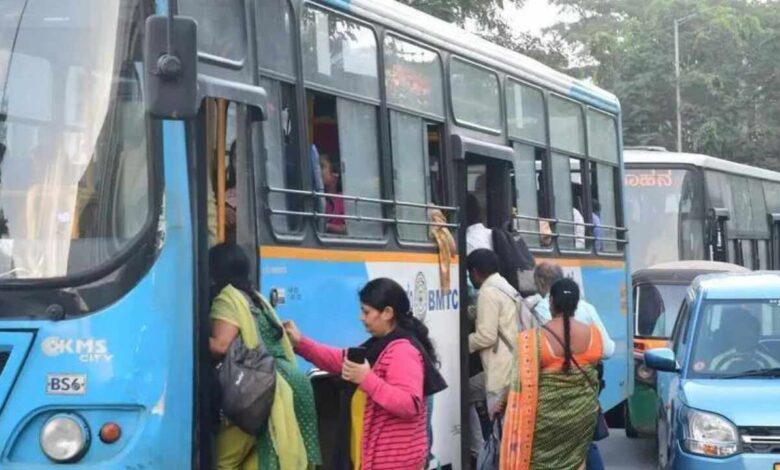
Commuters across Karnataka may soon have to pay more for bus travel as the state government moves closer to approving a revision in ticket fares for all four major state owned transport corporations. The proposed hike comes after transport authorities highlighted severe financial strain caused by increasing diesel prices, higher operational costs, and mounting monthly losses.
Officials from the Karnataka State Road Transport Corporation, Bengaluru Metropolitan Transport Corporation, North Western Karnataka Road Transport Corporation, and Kalyana Karnataka Road Transport Corporation have collectively urged the state government to approve a fare increase. According to officials, the current financial situation has become increasingly difficult, making it challenging to maintain services without additional revenue.
To examine the issue in detail, the state government has constituted a special fare revision committee headed by retired IAS officer Atul Kumar Tiwari. The panel has been tasked with reviewing the financial condition of all four transport corporations and recommending an appropriate fare structure that balances the needs of passengers with the sustainability of public transport services.
The formation of the committee is widely seen as a significant step toward implementing a fare revision. While the final percentage of the increase has not yet been announced, transport department sources indicate that a revision is now considered highly likely. The government is expected to take the final call after studying the committee’s recommendations.


The demand for higher fares follows a sharp increase in diesel prices, which has substantially raised operating expenses. Officials said that the recent rise in fuel costs has added a heavy financial burden to the transport corporations, affecting their ability to manage daily operations efficiently.
According to estimates shared by transport authorities, the increase in diesel prices alone is resulting in an additional financial burden of nearly Rs 40 crore every month for the four corporations combined. If the same trend continues throughout the year, the cumulative loss could touch approximately Rs 480 crore, placing enormous pressure on the public transport system.
Transport officials argue that fuel is one of the largest recurring expenses in bus operations. Every increase in diesel prices directly affects the cost of running thousands of buses across urban and rural Karnataka. Without revising fares or receiving additional government support, officials believe the corporations may struggle to maintain existing services.
Among the proposals reportedly submitted to the government, the Karnataka State Road Transport Corporation has sought permission for a fare increase of around 33 percent. Meanwhile, the Bengaluru Metropolitan Transport Corporation has reportedly requested an increase of approximately 44 percent. However, these figures are only proposals submitted for consideration and have not yet received government approval.
The state government has clarified that the final decision will not be based solely on requests made by individual corporations. Instead, the committee will study various factors, including operational costs, passenger affordability, financial sustainability, and the overall economic condition before submitting its recommendations.
Apart from the committee chairman, the panel also includes retired senior government officials and experts with administrative experience. Their role is to conduct a comprehensive assessment of transport finances and suggest a practical solution that supports both commuters and transport agencies.
Officials believe that public transport continues to play a crucial role in Karnataka’s economy. Every day, lakhs of passengers rely on government buses for commuting to workplaces, schools, colleges, hospitals, and business centers. Any decision regarding ticket prices therefore requires careful evaluation because it directly affects people from different income groups.
While passengers naturally prefer affordable fares, transport authorities argue that financial sustainability is equally important. Running buses involves expenditure on fuel, staff salaries, vehicle maintenance, spare parts, insurance, taxes, and infrastructure. Rising costs across all these areas have reduced the corporations’ financial flexibility.
Industry experts point out that transport corporations across the country have been facing similar challenges over the past few years. Inflation, fluctuating fuel prices, and increasing maintenance costs have forced many public transport agencies to reconsider their pricing strategies while trying to maintain reliable services.
Officials also emphasize that maintaining an extensive public transport network requires consistent investment. Thousands of buses operate daily across Karnataka, connecting remote villages with major cities while also serving metropolitan commuters. Ensuring safety, punctuality, and regular maintenance demands significant financial resources.
Many commuters are now waiting to see whether the government will approve the fare revision in full or modify the recommendations before implementation. There is also speculation that the government may consider different fare structures for city buses and long distance services to reduce the impact on daily commuters.
Passenger associations have urged the government to ensure that any fare revision remains reasonable. They argue that many families already face rising living expenses, and a steep increase in transportation costs could place additional pressure on household budgets. Some groups have suggested that the government explore financial assistance or operational reforms alongside fare revisions.
Transport experts believe that modernizing bus fleets, improving operational efficiency, and increasing passenger numbers could also help improve the financial health of the corporations in the long run. Investments in digital ticketing, fuel efficient buses, and better route planning may contribute to reducing operational costs over time.
For now, the committee will examine financial records submitted by all four corporations before preparing its report. Once the recommendations are finalized, the state government will review them and issue an official notification if a fare revision is approved.
Until such an order is released, existing ticket prices will remain unchanged. However, with the committee already in place and transport corporations strongly advocating for higher fares, many observers believe that a revision is only a matter of time. The exact percentage of the increase and the date from which the new fares will take effect will become clear only after the government issues its final decision.