Karnataka is considering new measures to improve traffic management and road safety, including regulations for low speed electric two wheelers and a proposed framework for app based car pooling services. Transport Minister Byrathi Suresh said the issues were discussed during a review of traffic and transport measures.
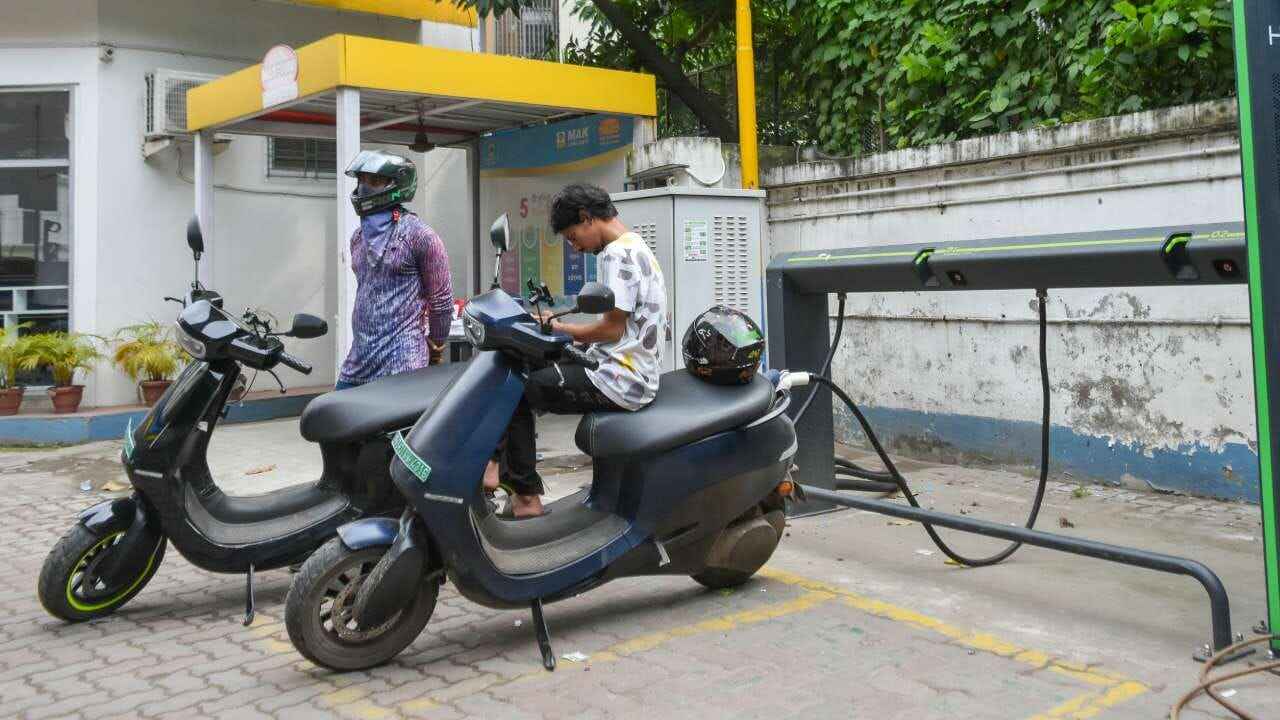
The government is looking at ways to bring low speed battery powered electric two wheelers under appropriate traffic regulations. At present, some vehicles in this category are not subject to the same requirements as other vehicles in areas such as registration and helmet use, according to the minister.
The proposed measures are expected to focus on identifying such vehicles and establishing clearer responsibility for riders. The government has discussed the issue in the context of traffic violations and road safety, with officials examining how enforcement can be made more effective.
The move is part of a wider discussion on traffic discipline in Karnataka. Recent meetings involving the Home and Transport departments have also covered stricter action against traffic violations, enforcement of road safety rules and better digital coordination between transport and traffic authorities.
Car pooling is another area under consideration. The Transport Department is discussing a state level policy for app based car sharing and ride sharing services. The proposed framework is intended to bring greater structure to these services while also supporting efforts to reduce the number of private vehicles on busy city roads.
The issue has particular relevance in Bengaluru, where app based car pooling has been the subject of regulatory discussions for several years. Clear operating rules have been awaited, with questions around how shared travel services should function under existing transport regulations.
Under the proposed approach, the government could establish clearer conditions for app based car pooling and shared travel services. The exact provisions and operating requirements will depend on the policy that is eventually prepared and notified.
The Transport Department is also examining the possibility of expanding park and ride facilities. These centres are intended to allow commuters to leave private vehicles at designated locations and continue their journey using public transport or other shared mobility options.
Park and ride facilities are being considered as part of a broader effort to encourage people to reduce dependence on private vehicles. The government has also discussed measures to improve connections between different forms of public transport and shared mobility services.
The proposed changes come alongside other traffic management discussions in Karnataka. Officials have been examining measures related to traffic violations, road safety, vehicle modifications and enforcement systems. A proposed points based system for driving licences and stronger action against repeat offenders have also been discussed.
The government has also discussed integrating the Transport Department’s Sarathi platform with the Bengaluru traffic police e challan system. Such integration could help authorities maintain more connected records of traffic violations and improve verification during enforcement.
For low speed electric vehicles, the proposed regulations would bring greater attention to vehicle identification and rider accountability. The government has not yet announced the complete set of rules, so details such as the exact categories covered and enforcement procedure will depend on the final policy.
Karnataka already has policies aimed at supporting electric mobility. The states Clean Mobility Policy 2025 to 2030 includes measures supporting electric vehicles and last mile connectivity while requiring compliance with applicable motor vehicle regulations.
The proposed car pooling policy and park and ride plans are being considered alongside these wider mobility measures. If implemented, the policies could create a more structured framework for shared travel while giving commuters additional alternatives to using private vehicles.