Karnataka govt rolls out incentives to arrest sharp fall in enrolment at government schools

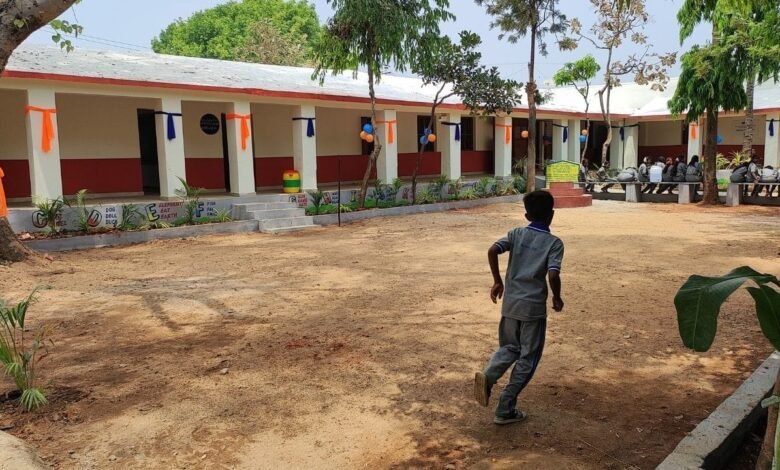
Bengaluru, : Alarmed by a steep and sustained decline in student enrolment at government schools, the Karnataka education department has drawn up a fresh master plan aimed at reversing the trend through additional incentives and awareness campaigns. Official data showing a drop of nearly 2.25 lakh students in government schools within a single year has triggered serious concern within the department, prompting urgent corrective measures.
The fall in enrolment has been attributed to multiple factors, including the growing dominance of private schools, migration, and parental perceptions about quality of education. With the numbers slipping year after year, the department has now decided to strengthen welfare benefits and directly engage with parents to restore confidence in government-run institutions.
What is the new plan?
At present, students in government schools are provided free textbooks, uniforms, shoes and midday meals. Building on these schemes, the department has announced additional benefits to attract more admissions. Under the new initiative, every student will receive six free notebooks, and eggs will be distributed five days a week as part of the nutrition programme.


The enrolment drive has already begun in January, much earlier than usual, with officials launching awareness campaigns to assure parents that government schools charge no fees and offer multiple facilities free of cost. Education department officials believe that early outreach and enhanced benefits will help stem the decline in admissions.
Zero-enrolment schools a major concern
Data placed before the Legislative Council paints a worrying picture. In the current academic year, as many as 188 government schools across Karnataka recorded zero enrolments. This includes 160 lower primary schools, 25 higher primary schools and three high schools.
Tumakuru district tops the list with 45 zero-enrolment schools, followed by Kalaburagi (21), Kolar (20), Koppal (18) and Bidar (17). Officials admit that such figures raise questions about access, infrastructure, staffing and public trust in government education.
Rise in single-teacher schools
Another challenge facing the department is the sharp rise in single-teacher schools. The number of such schools has increased from 3,450 in 2018 to 6,675 in the 2025–26 academic year. As per norms, schools with Classes 1 to 5 must have at least one teacher per class, or a minimum of two teachers if there are 12 students. However, staff shortages have made it difficult to follow these rules.
Currently, more than 60,000 teaching posts remain vacant across the state. Officials estimate that by 2028, an additional 28,000 teachers will retire, further aggravating the crisis unless recruitment is expedited.
The education department maintains that improving infrastructure, filling vacancies and strengthening welfare schemes are key to reviving government schools. Whether the new incentives will be enough to bring students back remains a critical question for the state’s public education system.