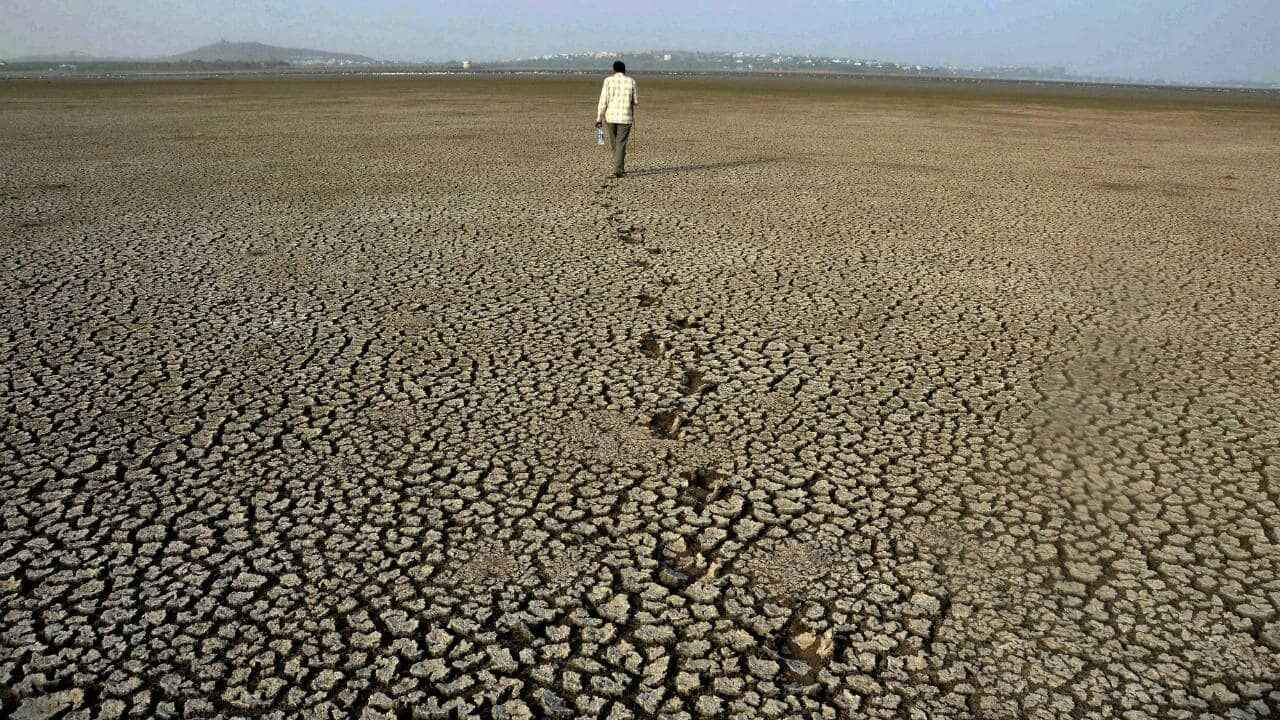
Farmers in drought affected parts of Karnataka are set to receive relief from loan repayment pressure after the State Level Bankers Committee approved a special support framework for agricultural and allied loans.
The decision provides a 12 month moratorium on eligible loan repayments. The repayment schedule will also be extended depending on the severity of drought in the respective taluk, giving farmers additional time to manage their financial obligations.
The government has declared 101 taluks across 24 districts as drought affected. Of these, 89 have been classified as severely drought affected, while the remaining 12 have been placed in the moderate drought category.
Under the relief framework, eligible loans including Kisan Credit Card loans, agricultural loans and credit linked to dairy farming, sericulture and fisheries will receive the repayment benefit.
Farmers in moderately drought affected taluks will get an extended repayment period of up to 36 months. In severely drought affected taluks, the repayment period can be extended to 60 months.
The measure is intended to provide breathing room to farmers who are dealing with the financial impact of poor rainfall and related agricultural difficulties. Instead of facing immediate repayment pressure, eligible borrowers will have a longer period to repay their outstanding loans.
The relief package is not limited to existing loans. Banks will also consider providing fresh credit to farmers who require additional financial assistance, subject to the banks applicable rules and lending conditions.
Another significant provision concerns future drought declarations. If additional taluks are officially declared drought affected later, the same relief framework is expected to apply automatically. A separate State Level Bankers Committee meeting will not be required for every new declaration.
Banks have also been instructed to follow the implementation schedule for the relief measures. The framework is expected to be implemented by October 11, 2026, which falls within 45 days of the drought declaration. The complete implementation process has been targeted for January 9, 2027.
The government has also directed banks not to resort to forced recovery from farmers during the current period. A strict zero tolerance approach has been announced against coercive recovery measures in the affected areas.
District administrations have been asked to respond promptly to complaints from farmers. Authorities have also been instructed to coordinate with banks before any recovery process is undertaken against eligible farmers covered by the relief measures.
Officials are planning awareness programmes so that farmers understand the benefits available under the new framework. Deputy commissioners, chief executive officers and lead district bank managers will work with officials from agriculture, horticulture, animal husbandry and disaster management departments.
These officials are expected to conduct video conferences and other awareness activities to explain the repayment relief and credit facilities to farmers in affected areas.
The cooperative banking sector is also being considered under the broader relief discussions. The government has indicated that discussions will be held with NABARD and the concerned state authorities to determine an appropriate solution for extending repayment periods on loans issued through cooperative banks.
The latest decision comes as the state continues to assess the financial impact of drought conditions on farming communities. By combining a repayment moratorium with longer repayment schedules and the possibility of fresh credit, authorities are seeking to reduce immediate financial pressure on affected borrowers.
The actual benefit available to an individual farmer will depend on the type of loan, the borrowers eligibility and the applicable banking rules. Farmers covered by the drought relief framework are expected to receive further information through district authorities and participating banks.