Coastal Karnataka Faces Sharp Rainfall Deficit Raising Drought Concerns
Coastal Karnataka has recorded an alarming rainfall shortfall this monsoon with Dakshina Kannada and Udupi witnessing significant deficits leaving farmers worried about crops water resources and the possibility of drought.

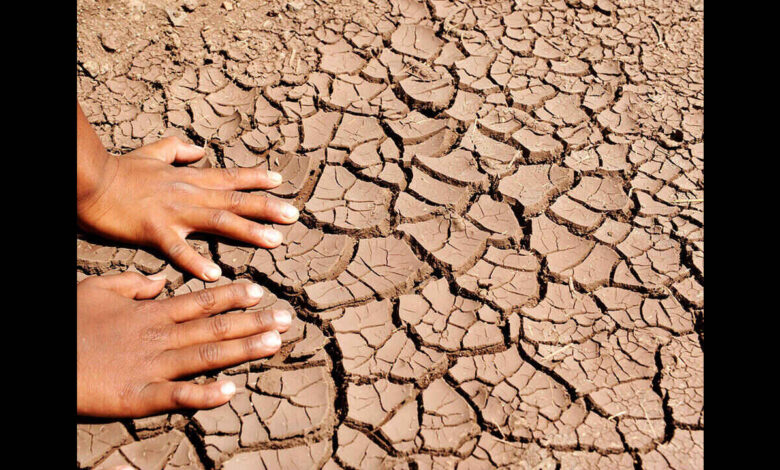
Coastal Karnataka, a region traditionally known for receiving some of the highest monsoon rainfall in the state, is witnessing an unusual weather pattern this year. Instead of heavy showers, large parts of Dakshina Kannada and Udupi districts have experienced a substantial rainfall deficit, triggering concern among farmers, agricultural experts and local communities. The prolonged shortage has raised fears that the region could face drought like conditions if rainfall does not improve in the coming weeks.
The biggest setback has come during June, the most crucial month for paddy cultivation. Farmers usually depend on consistent monsoon showers to begin transplantation and other farming activities. However, inadequate rainfall during this period has disrupted agricultural schedules, leaving many fields either partially cultivated or waiting for sufficient water. The delay is expected to affect crop growth and overall agricultural output if weather conditions fail to improve.
According to available rainfall data from January 1 to July 19, Dakshina Kannada has received only 1174.9 millimetres of rainfall against its normal average of 1929.8 millimetres. This represents a rainfall deficit of around 39 percent. Udupi district has reported a similar trend, recording 1348.2 millimetres compared to its usual 2203.4 millimetres during the same period, also reflecting a 39 percent shortfall.
The situation during June has been even more concerning. Dakshina Kannada recorded a rainfall deficit of 57 percent, while Udupi registered a 50 percent shortage during the month. Since June is considered the foundation of the paddy growing season, the reduced rainfall has directly impacted planting operations and created uncertainty for farmers who rely almost entirely on seasonal rains.

Within Dakshina Kannada district, Puttur has emerged as the worst affected taluk with a rainfall deficit of 48 percent. Bantwal and Mangaluru have each reported a 45 percent shortage, followed by Moodabidri with 44 percent, Belthangady with 43 percent, Ullal with 37 percent, Kadaba with 27 percent and Sullia with 26 percent. The widespread deficit across multiple taluks highlights that the issue is affecting the entire district rather than isolated pockets.
The contrast with last year has further intensified concerns. During the corresponding period in the previous year, the coastal districts received healthy monsoon rainfall that supported agriculture and replenished rivers, lakes and reservoirs. This year, however, the weaker monsoon has created uncertainty not only for farming but also for long term water availability across the region.
Agriculture experts warn that if rainfall remains below normal through the remaining monsoon weeks, the impact could extend beyond crop losses. Reduced groundwater recharge, lower reservoir levels and pressure on drinking water resources may become additional challenges for both rural and urban areas.
Farmers across the coastal belt are now hoping for a strong revival of the monsoon in the coming days. Adequate rainfall during the remainder of the season could still reduce crop losses and improve water storage. Until then, the unusual rainfall deficit in one of Karnataka’s wettest regions continues to raise serious questions about the changing monsoon pattern and its growing impact on agriculture and livelihoods.