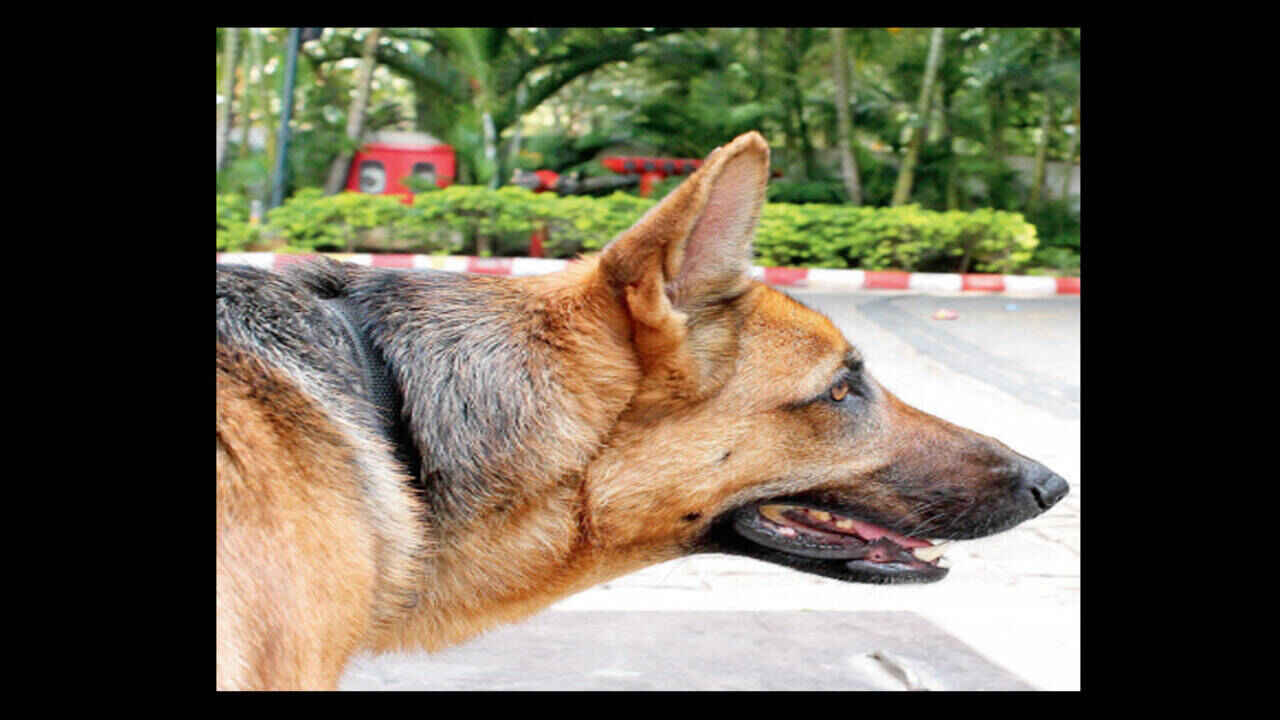
Karnataka forest authorities are adding a new layer of support to wildlife protection by deploying specially trained Belgian sniffer dogs across the state’s major tiger reserves. The move is aimed at helping forest teams detect poaching and other illegal activities in difficult forest terrain.
The dogs are being prepared through specialised training at the Melukamanahalli camp in the Bandipur region. Ten female Belgian sniffer dogs are undergoing training designed to strengthen their ability to track and identify scents during forest operations.
The decision comes at a time when forest officials are continuing to focus on preventing illegal hunting and other offences inside protected areas. Forest terrain can make it difficult for personnel to track suspects or locate evidence, particularly across large areas with dense vegetation.
The trained dogs are expected to assist personnel during patrols and investigations. Their strong sense of smell can help teams follow scent trails and identify locations connected with suspected illegal activity.
The Belgian sniffer breed is known for its speed and strong scent detection abilities. These characteristics can be particularly useful for forest operations, where tracking a trail may require personnel to cover uneven ground and large distances.
The deployment plan covers five important tiger reserves in Karnataka. These include Bandipur, Biligiri Ranganatha Temple Tiger Reserve, Bhadra, Kali and Nagarahole.
The dogs will be distributed among these protected areas as part of the wider wildlife protection effort. According to the supplied information, the deployment plan provides five dogs for each of the five tiger reserves.
Training is an important part of the programme because simply placing dogs in forest areas is not enough for specialised tracking work. The animals need to become familiar with the requirements of forest patrols and the type of scent based tasks they may encounter during operations.
Forest personnel can use trained dogs as an additional resource alongside existing surveillance and patrol methods. Their role can be particularly useful when officials need to investigate suspicious movement or search for clues after an incident.
The move follows increased attention on poaching and forest crime in parts of Chamarajanagar district. Recent incidents involving alleged poachers and forest personnel have also highlighted the challenges faced by officials while protecting wildlife areas.
Reports have suggested that a number of suspected poachers remain active in the region. Forest authorities are therefore looking at additional methods that can strengthen monitoring and improve the ability of teams to respond to illegal activities.
The introduction of sniffer dogs does not replace regular forest protection measures. Patrol teams, surveillance systems, intelligence gathering and enforcement operations continue to remain important parts of protecting tiger habitats.
For forest officials, the advantage of trained dogs lies in their ability to provide a different form of assistance. Human teams rely heavily on visual observation and other forms of investigation, while dogs can use their highly developed sense of smell to detect and follow scent trails that may not be obvious to people.
The initiative is also expected to improve the capabilities of forest staff working in some of Karnataka’s most important wildlife habitats. With tiger reserves covering large and challenging landscapes, additional tracking support could help teams during patrols and investigations.
The dogs being trained at the Bandipur camp are therefore becoming part of a broader wildlife protection strategy. Their work will be carried out alongside the efforts of forest guards and other department personnel responsible for protecting protected areas.
As the trained Belgian sniffer dogs are introduced across the five tiger reserves, their effectiveness will depend on regular training, proper handling and coordination with forest teams. Their ability to work in different forest conditions will also be important.
For Karnataka’s wildlife protection teams, the deployment provides another tool in the effort to tackle poaching and forest related offences. The programme reflects the growing use of specialised methods to support conventional forest patrols and strengthen protection across key tiger habitats.