Google Introduces Memory Import Feature in Gemini to Simplify Switching from ChatGPT
Google has rolled out a new memory import feature in Gemini, allowing users to transfer past conversations from ChatGPT, making transitions between AI chatbots smoother and more personalized for everyday use


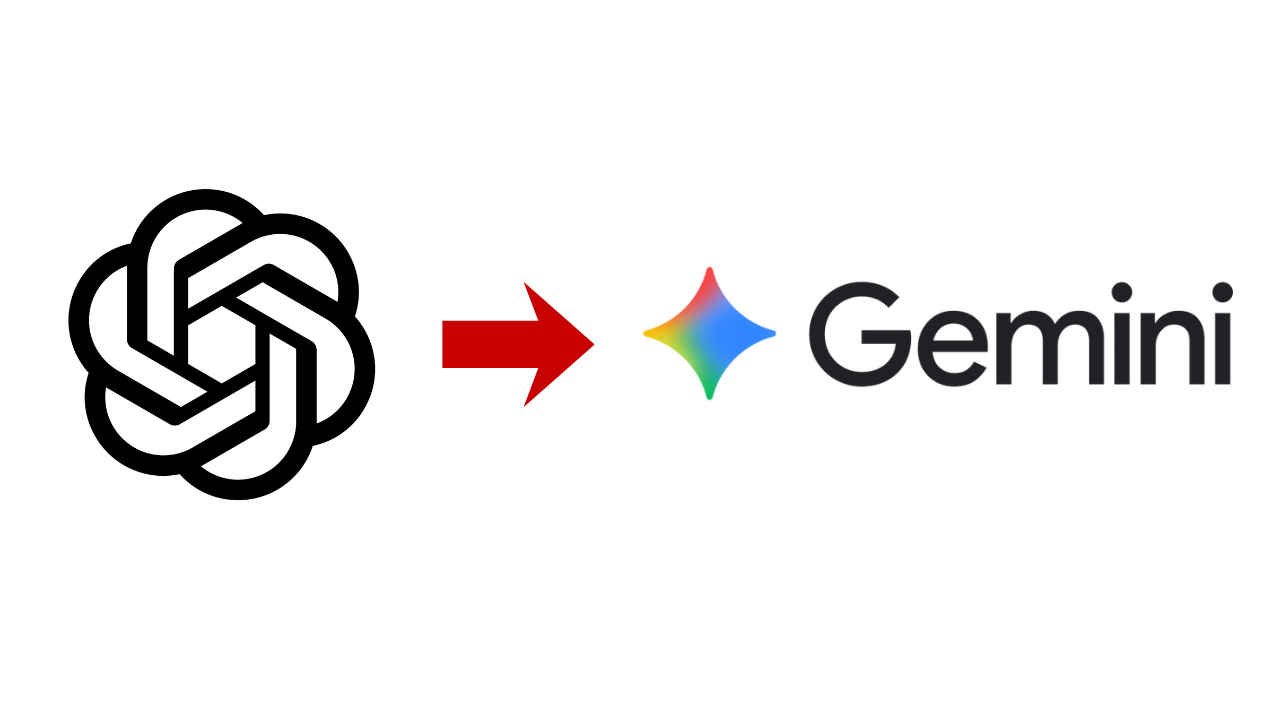
Switching between AI chatbots has often meant starting from scratch, but that may soon change. Google is testing a new feature in Google Gemini that allows users to carry over their previous conversations from ChatGPT, reducing the need to rebuild context every time they switch platforms.
The feature, currently spotted in a beta version, is designed to make chatbot interactions more seamless. Users who have spent time training one assistant with their preferences, habits, and queries can now transfer that information into another system without losing continuity. This move reflects a growing competition in the AI space, where user convenience is becoming a major focus.
At its core, the memory import system works through a simple copy and paste process. Users begin by generating a special export prompt in one chatbot. When this prompt is entered, the source chatbot compiles relevant conversation history into a structured format. That output can then be copied and pasted into Gemini, allowing it to absorb the same context and user preferences.
This approach eliminates the frustration of repeating instructions or re explaining personal preferences. Over time, AI chatbots become more useful when they understand user behavior, tone, and needs. By enabling memory transfer, Google is effectively lowering the barrier for users who want to explore different AI tools without losing personalization.


Accessing the feature is straightforward for those who have it enabled. Inside the Gemini app, users can navigate to their profile settings and find an option labeled import memory. The app provides a ready made prompt that needs to be copied into ChatGPT. Once ChatGPT generates the response, users simply paste it back into Gemini and confirm the import. Within moments, the new chatbot begins operating with familiar context.
The idea of transferring chatbot memory is not entirely new. Anthropic has already introduced a similar capability in its Claude assistant, signaling a broader shift across the industry. Reports also suggest that Google may expand this feature further, potentially allowing users to import data from multiple AI platforms into a single unified system.
While the feature is still in testing and not yet widely available, it hints at a future where AI assistants are less isolated. Instead of being locked into one ecosystem, users could move freely between tools while keeping their digital identity intact.
For everyday users, this could mean less repetition and more meaningful interactions. As AI becomes more integrated into daily life, features like memory import may play a key role in making these systems feel less like tools and more like consistent digital companions.