Karnataka Auto Taxi Groups Move Supreme Court Over Bike Taxi Order
Five Karnataka auto and taxi driver groups have approached the Supreme Court challenging the High Court decision on bike taxis, raising concerns over regulation, competition and livelihoods of existing transport operators.

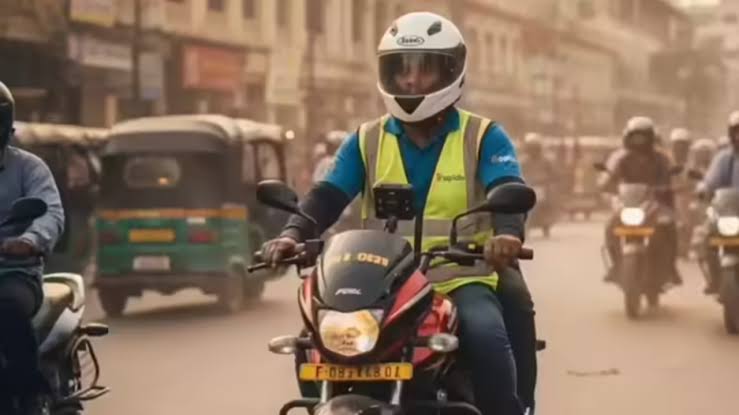
Five major auto and taxi driver organisations in Karnataka have approached the Supreme Court against a Karnataka High Court judgment that opened the way for bike taxis to seek registration and permits in the state.
The petition challenges the High Court judgment delivered on January 23, 2026. The Division Bench had directed the state authorities to consider applications for registering motorcycles as transport vehicles and granting permits for their operation as contract carriages.
The organisations that have approached the Supreme Court include Nadaprabhu Kempegowda Auto Chalakara Sanghatane, Karnataka Venkategowda Auto Mathu Taxi Chalakara Sangha, Greater Bangalore Chalakara Sangha, Karnataka Sarathigala Mahasangha and Jai Karnataka Sarathi Sene Trust. An individual driver, Sathish KS, has also filed a petition in the matter, according to Bar and Bench.
The driver organisations have raised concerns about the possible effect of bike taxis on people already working in the regulated auto and taxi sector. Their petition argues that existing operators have to comply with several requirements, including permits, vehicle fitness standards, insurance, taxes, licensing conditions and fare related regulations.


According to the petitioners, allowing another category of passenger transport without comparable regulatory requirements could create concerns about a level playing field. They have therefore asked the Supreme Court to examine the legal and regulatory implications of the High Court ruling.
The dispute has been continuing for several years. The Karnataka High Court had earlier dealt with petitions involving bike taxi operators and aggregators including Ola, Uber and Rapido. In its January judgment, the court held that motorcycles could fall within the legal definition of transport vehicles and could be considered for use as contract carriages under the Motor Vehicles Act.
The High Court also held that operating a taxi service is a legitimate business activity and that restrictions imposed by the state must have a legal basis and be reasonable. The court set aside the earlier blanket restriction on bike taxis and said the state could regulate the service through appropriate conditions.
The latest Supreme Court challenge focuses on what the driver organisations see as the wider policy consequences of that decision. They argue that decisions concerning transport policy, licensing and regulation should remain within the authority of the government and the statutory transport authorities.
Another issue raised in the petition concerns the findings of an expert committee constituted in 2019 to examine transport issues in Bengaluru. The committee had considered matters including road safety, traffic congestion, road space and pollution while examining the question of bike taxis. The driver organisations have referred to this material while presenting their concerns before the Supreme Court.
The organisations are also seeking relief against the practical consequences of the High Court judgment. Bar and Bench reported that the petitioners have sought a stay of the January 23 judgment, which directed the state to consider registration and permit applications for motorcycles intended to operate as bike taxis.
The case is significant for Bengaluru because the city has a large number of auto and taxi operators who depend on passenger transport for their income. The driver organisations have argued that changes in the transport market could affect existing operators if different categories of vehicles are subjected to different regulatory requirements.
At the same time, the High Court’s judgment was based on its interpretation of the Motor Vehicles Act and related rules. The court noted that motorcycles are not automatically excluded from being treated as transport vehicles and that applications for permits must be considered according to law.
The controversy therefore goes beyond competition between two wheelers and conventional taxis. It also involves questions about how new forms of app based transportation should be brought under existing transport laws and what role state authorities should play in creating a regulatory framework.
The Karnataka government has also challenged the earlier High Court decision concerning the bike taxi ban before the Supreme Court, although detailed proceedings in that appeal had not progressed at the time of the latest reports. The presence of multiple petitions means that the Supreme Court may now have to consider different aspects of the dispute together.
For passengers, bike taxis have been presented as another option for short distance travel, particularly in a city where traffic congestion can make conventional road travel time consuming. For existing auto and taxi drivers, however, the issue is closely connected with competition, operating costs and the conditions under which they are required to provide services.
The Supreme Court proceedings could therefore have wider implications for the future regulation of bike taxis in Karnataka. The outcome may help clarify how motorcycles used for passenger transport should be registered, permitted and regulated alongside existing taxi and auto services.
For now, the dispute remains before the courts. The five driver organisations are seeking judicial intervention against the January judgment, while the legal framework governing bike taxi operations continues to be examined through the ongoing litigation.