More Than Seventy Students Fall Ill in Two Karnataka Residential Schools After Breakfast Incidents
More than seventy students from residential schools in Kalaburagi and Raichur were hospitalized after suspected food poisoning prompting investigations demands for accountability and renewed concerns over food safety standards.

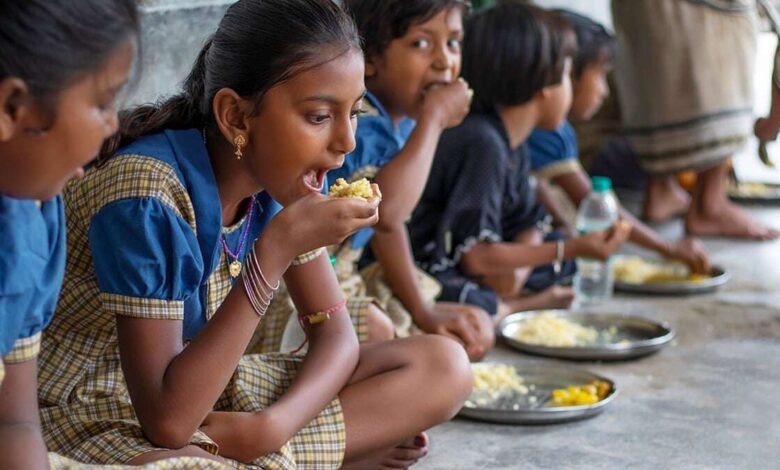
A fresh food safety scare has raised serious concerns in Karnataka after students from two separate residential schools reportedly fell ill within hours of eating breakfast. The incidents, which occurred in Kalaburagi and Raichur districts, have once again drawn attention to the quality of meals served in government run hostels and residential institutions. Authorities have launched inquiries while public representatives have sought strict action against those found responsible.
The larger incident was reported from the Morarji Desai Residential School at Karajgi village in Afzalpur taluk of Kalaburagi district. More than fifty students developed health complications soon after eating breakfast. According to initial reports, the children complained of severe stomach pain, vomiting, dizziness and weakness shortly after returning to their classrooms. School authorities rushed the affected students to the government hospital in Afzalpur where doctors immediately began treatment.
Medical officials said that while most of the students responded well to treatment and were later reported to be in stable condition, two children required advanced medical care. They were shifted to Gulbarga Institute of Medical Sciences for further treatment because their condition was considered more serious than the others. Doctors have continued to monitor their recovery closely.
Students later revealed that they had noticed an unpleasant smell coming from the flattened rice dish served during breakfast. They reportedly informed the kitchen staff and requested an alternative meal. However, according to their statements, no replacement breakfast was prepared and the students eventually consumed the same food because there was no other option available. Within a short time many of them began experiencing symptoms associated with suspected food poisoning.


The incident triggered strong protests from fellow students who accused the school management of negligence. Several students gathered outside the government hospital and staged a road blockade demanding strict action against the officials responsible for serving the meal. Traffic movement in the area was briefly disrupted before police and local authorities intervened to restore normalcy.
Local MLA M Y Patil visited the hospital soon after learning about the incident. He met the hospitalized students and spoke with doctors about their condition. The legislator also directed officials from the Social Welfare Department to initiate strict legal action against the school warden headmaster and kitchen staff if negligence was established during the investigation. Department officials assured that the matter would be thoroughly examined and that disciplinary measures would follow wherever necessary.
The incident has also revived criticism regarding repeated complaints from residential schools in the district. Parents and local residents have expressed concern that similar cases have surfaced in the past and have urged the government to strengthen food quality inspections instead of responding only after emergencies occur. They believe regular monitoring of kitchens food storage and hygiene standards is essential to prevent such incidents from recurring.
Even as officials were responding to the Kalaburagi case another similar incident emerged from Raichur district. At the Morarji Desai Minority Residential School in Sindhanur more than twenty students reportedly fell ill after consuming pulao served at the hostel. The children complained of vomiting diarrhea headaches and dizziness soon after eating the meal.
The affected students were immediately shifted to the Mother and Child Hospital in Sindhanur where doctors provided medical treatment. Hospital authorities stated that timely admission helped stabilize the students and prevented the situation from becoming more serious. Most of the children were kept under observation before being discharged after their condition improved.
According to preliminary findings food served in the Raichur school allegedly contained insects. This discovery sparked anger among parents and local residents who questioned how contaminated food had been allowed to reach students. Many demanded immediate suspension of the hostel authorities and a comprehensive investigation into food procurement storage and preparation practices.
Parents from both districts have urged the state government to establish stricter quality control systems in residential schools. They argued that students staying away from their families depend entirely on hostel authorities for safe and nutritious meals and that any lapse can have serious consequences for their health and wellbeing.
Education and welfare officials are now expected to collect food samples conduct laboratory testing and determine the exact cause behind the illnesses. The findings of these investigations will decide whether criminal charges departmental action or administrative reforms are required.
The twin incidents have once again highlighted the importance of maintaining rigorous food safety standards in educational institutions. While the hospitalized students are recovering, the cases have prompted renewed calls for regular inspections better supervision of hostel kitchens and stronger accountability mechanisms to ensure that such incidents are not repeated in the future.