Greater Bengaluru Authority Unveils Parking Policy 2026 With Focus on Private Land Solutions
Greater Bengaluru Authority has proposed a new parking policy encouraging private land participation through tax incentives and revenue sharing while aiming to ease growing traffic and parking challenges across the city.


The Greater Bengaluru Authority has taken a major step toward addressing the city’s worsening parking crisis by releasing a draft of the Parking Policy 2026. The proposal introduces a new approach that could allow privately owned vacant plots to be used as parking spaces with the consent of landowners.
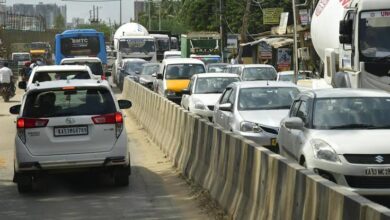
As Bengaluru continues to witness a rapid rise in the number of vehicles, finding a parking spot has become increasingly difficult for commuters and city authorities alike. The new policy is designed to create additional parking capacity while reducing congestion in busy commercial areas where roadside parking has become a persistent problem.
One of the key highlights of the draft policy is the plan to encourage owners of vacant commercial properties to make their land available for parking facilities. In return, the authority is considering offering attractive benefits, including property tax exemptions that could range from 15 to 35 years depending on the size of the land.
The proposal also includes a revenue sharing model under which landowners could receive a portion of the earnings generated through paid parking operations. Officials believe this incentive could encourage greater participation from private property owners and help expand parking infrastructure without relying entirely on government owned land.


The draft policy gives priority to the construction of multilevel parking facilities on suitable private plots. It also proposes stricter parking regulations on major roads and near traffic signals to improve traffic movement and reduce bottlenecks across the city.
While the initiative has attracted attention, public response has been divided. Some residents and urban planning experts believe the proposal could provide a practical solution to Bengaluru’s long standing parking shortage. Others, however, have raised concerns about the long term implications for private property owners, with some questioning whether participating in the scheme could affect their control over their land in the future.
At present, these concerns remain speculative, and the authority has not announced any provision that would transfer ownership rights. The final version of the policy is expected to provide greater clarity on how agreements with landowners will be structured and what legal safeguards will be included.
The proposal comes at a time when authorities have also begun action against vehicles that have been left in no parking zones for extended periods, with notices being issued as part of an enforcement drive. Officials hope that combining stricter enforcement with expanded parking infrastructure will help improve traffic management across Bengaluru.
The Parking Policy 2026 is currently in the draft stage, and its final shape will depend on public feedback and government approval. Whether the incentives prove attractive enough for private landowners to participate will become clearer once the final notification is issued.