Simple Kitchen Habits That Can Help Your LPG Cylinder Last Much Longer
Many households unknowingly waste cooking gas through daily kitchen mistakes. Small changes in cooking methods, preparation habits and stove maintenance can significantly extend cylinder usage and reduce expenses.

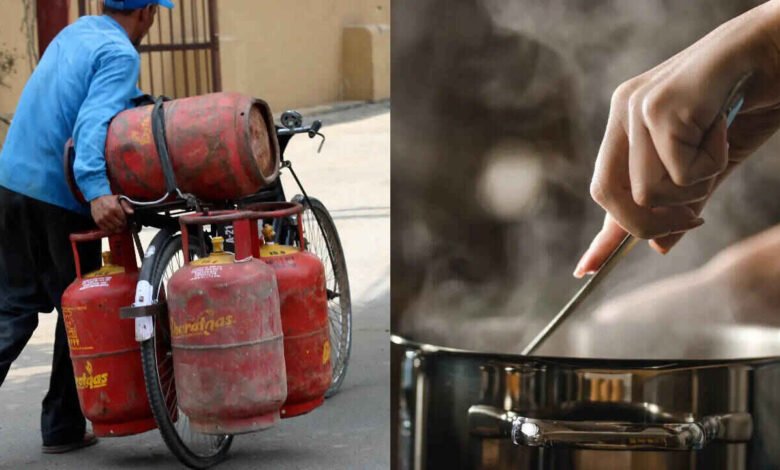
With rising household expenses, many families are looking for practical ways to make their LPG cylinders last longer. While people often suspect faulty cylinders or insufficient gas filling when a cylinder runs out quickly, experts say the real reason is usually hidden in everyday cooking habits. A few simple adjustments in the kitchen can reduce gas consumption considerably and help households save money over time.
One of the most effective ways to conserve cooking gas is proper meal preparation before turning on the stove. Many people switch on the burner and then begin chopping vegetables, gathering spices or measuring ingredients. During this time, the flame continues burning unnecessarily. Preparing everything in advance allows cooking to begin immediately and prevents avoidable gas wastage.
Another common mistake involves cooking ingredients directly after removing them from the refrigerator. Cold milk, vegetables, dough and other refrigerated items require extra heating time, which increases gas consumption. Allowing these ingredients to reach room temperature before cooking can help reduce the amount of fuel needed and make the cooking process more efficient.
Using a pressure cooker whenever possible can also lead to substantial savings. Foods such as rice, lentils, chickpeas and potatoes cook much faster under pressure because steam is trapped inside the cooker. This method shortens cooking time significantly and reduces the amount of gas required compared to conventional pots and pans.


Kitchen experts also recommend soaking grains and legumes before cooking. Rice, lentils and beans absorb water during soaking, which helps them cook faster. Spending a little time on preparation can translate into noticeable fuel savings throughout the month.
The way cookware is used also plays an important role. Cooking with a lid on the pot helps trap heat and steam inside, allowing food to cook more quickly. Without a lid, much of the heat escapes into the air, forcing the stove to remain on for longer periods. Similarly, wet utensils should be dried before being placed on the burner. Extra fuel is wasted simply evaporating the water present on the surface of the vessel.
Maintaining the correct flame level is another often overlooked factor. Many people assume that a high flame will cook food faster, but excessive heat frequently escapes around the sides of the cookware. A medium flame usually provides better efficiency while ensuring food cooks evenly. This simple adjustment can make a noticeable difference in daily gas consumption.
The quantity of water used during cooking matters as well. Adding more water than necessary means it must all be heated and boiled, which consumes additional fuel. Using only the required amount of water not only saves gas but can also help preserve nutrients in food.
Regular maintenance of the gas stove is equally important. If the flame appears yellow or reddish instead of blue, it may indicate blocked burner holes. Dirty burners prevent efficient combustion, leading to unnecessary fuel loss. Cleaning the burner regularly ensures proper gas flow and maximum efficiency.
Choosing the right cookware size can further improve fuel economy. Large frying pans or deep vessels require more heat and energy, especially when preparing small portions of food. Selecting cookware that matches the quantity being cooked helps reduce unnecessary gas usage.
According to kitchen efficiency experts, these small habits may seem insignificant individually, but together they can have a major impact. In many households, a cylinder that typically lasts around 25 days can continue for well over a month when fuel saving practices are followed consistently.
As energy costs continue to affect household budgets, adopting smarter cooking habits is becoming increasingly important. With careful planning, regular stove maintenance and a few practical adjustments in the kitchen, families can reduce gas consumption, cut expenses and make every cylinder last significantly longer.