Eating Too Many Peanuts Daily May Trigger Unexpected Health Problems
Peanuts are packed with nutrients and protein, but excessive consumption may lead to digestive issues, weight gain and other health concerns that experts advise people not to ignore.

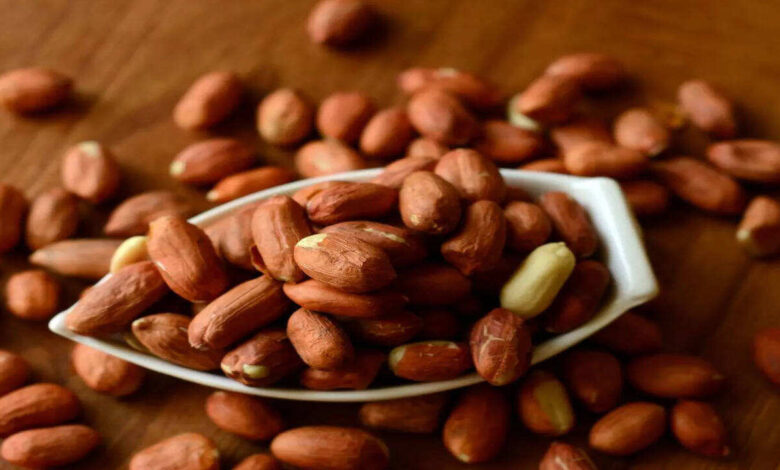
Peanuts have long been considered one of the most affordable and nutritious snack options available. Often referred to as the poor man’s almond, they are packed with protein, healthy fats, vitamins and minerals that support overall health. Because of their taste and convenience, many people enjoy eating roasted peanuts regularly, especially during evenings or colder months.
However, health experts are now cautioning that even nutritious foods can become problematic when consumed in excess. While peanuts offer several benefits, eating them in large quantities every day may create unwanted health issues that many people fail to recognize.
Nutritionists recommend moderation when including peanuts in a daily diet. According to experts, a healthy adult should ideally limit consumption to a small handful, roughly 30 to 40 grams per day. Going far beyond this amount on a regular basis may increase the risk of several health concerns.
One of the most common effects of excessive peanut consumption is weight gain. Peanuts contain a high number of calories and healthy fats. Although these fats are beneficial in moderate amounts, eating large portions daily can significantly increase overall calorie intake. For individuals trying to lose weight or maintain a healthy body composition, frequent overeating of peanuts may slow progress and contribute to unwanted weight gain.


Digestive discomfort is another issue linked to excessive intake. Peanuts contain dietary fiber, which generally supports digestion. However, consuming too many at once can put extra pressure on the digestive system. This may result in bloating, gas, acidity, stomach discomfort and even constipation in some individuals. People with sensitive digestive systems may notice these symptoms more quickly.
Medical experts also point to another lesser known concern involving nutrient absorption. Peanuts contain a naturally occurring compound called phytic acid. When consumed in large quantities over time, this substance may interfere with the body’s ability to absorb certain minerals such as iron, zinc and calcium. As a result, an imbalanced diet that relies heavily on peanuts could potentially contribute to nutritional deficiencies.
Allergic reactions remain one of the most serious concerns associated with peanuts. Peanut allergy is among the most common food allergies worldwide. In sensitive individuals, even a small amount can trigger symptoms such as itching, skin rashes, swelling of the lips or throat and breathing difficulties. Severe allergic reactions may require immediate medical attention.
Experts also warn consumers to pay attention to the quality and storage conditions of peanuts. When peanuts are stored improperly for extended periods, they may become contaminated with aflatoxins, harmful substances produced by certain molds. Long term exposure to these toxins has been associated with negative effects on liver health. Symptoms linked to poor quality peanuts may include reduced appetite, fatigue and general health complications.
Despite these warnings, nutrition specialists stress that peanuts remain a valuable part of a balanced diet when eaten responsibly. They provide plant based protein, energy and several essential nutrients that can support health when consumed in appropriate amounts.
The key message from experts is simple. Peanuts are nutritious, affordable and convenient, but more is not always better. Choosing moderate portions, storing them properly and combining them with a varied diet can help people enjoy their benefits without exposing themselves to unnecessary health risks.
For those who enjoy peanuts as a daily snack, mindful consumption may be the best way to balance taste and nutrition while avoiding the side effects that can come from overeating.