Should You Eat Bitter Gourd Seeds or Remove Them Experts Explain the Right Way
Health experts say soft bitter gourd seeds can be eaten in limited amounts, but hard or red seeds may cause digestion problems and should be avoided by sensitive individuals.

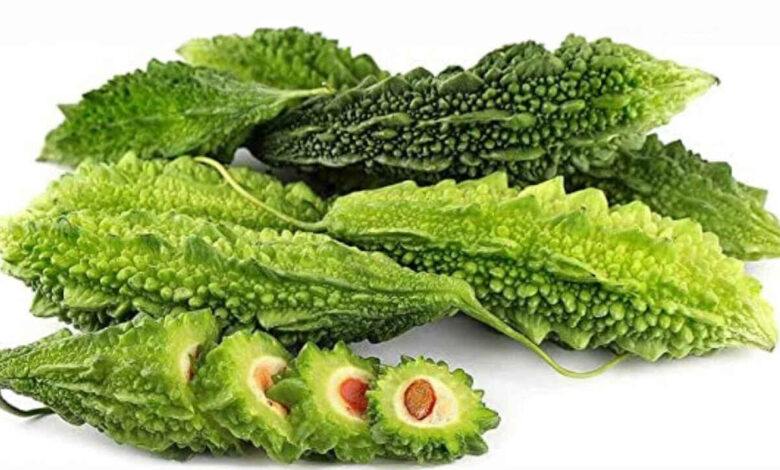
Bitter gourd may not be everyone’s favorite vegetable because of its sharp taste, but it continues to hold a strong place in many healthy diets. Known for its association with blood sugar control, digestion support, and weight management, bitter gourd is widely consumed in Indian households. However, one question continues to confuse many people while preparing it in the kitchen. Should the seeds be eaten or thrown away?
In most homes, people remove the seeds automatically before cooking the vegetable. Some believe the seeds may be harmful, while others consider them nutritious. Health experts now say the answer depends mainly on the condition, color, and texture of the seeds rather than avoiding all of them completely.
Nutrition specialists explain that fresh bitter gourd with soft white seeds is generally considered safe when consumed in moderate amounts. These tender seeds are usually found in younger and fresher bitter gourds. Since they remain soft after cooking, they can easily be eaten along with the vegetable without causing problems for most healthy adults.
Experts say these softer seeds may contain useful nutrients such as fiber, antioxidants, and healthy fatty acids. Fiber is especially important for digestion and may help people feel full for longer periods. Antioxidants are also known for supporting overall health and helping the body deal with oxidative stress.


At the same time, doctors warn against consuming overly mature bitter gourd seeds. If the seeds have turned red, become very hard, or appear overly ripe, they are best avoided. Such seeds may be difficult to digest and could cause stomach discomfort in some people.
Digestive health experts point out that excessive consumption of bitter gourd seeds may lead to issues such as gas, stomach pain, bloating, or loose motions, especially in individuals with sensitive digestion. Because of this, moderation is considered important even when the seeds are fresh and soft.
Children are among the groups who should be more careful. Since their digestive systems are still sensitive, experts recommend avoiding large amounts of bitter gourd seeds in their meals. Similarly, pregnant women are advised to consult doctors before making major dietary changes involving bitter gourd seeds or herbal foods.
People already suffering from digestive troubles such as acidity, indigestion, or frequent stomach discomfort should also be cautious. Hard seeds may worsen digestive irritation and create additional discomfort if consumed regularly.
Health specialists say one of the biggest mistakes people make is assuming all bitter gourd seeds are harmful and removing every single one before cooking. On the other hand, some people make the opposite mistake by eating all seeds without checking their quality or freshness. According to experts, understanding the difference between soft edible seeds and mature hard seeds is important.
Fresh bitter gourds usually contain pale white seeds that remain tender during cooking. These are the seeds most commonly considered suitable for consumption in small amounts. Red colored or hardened seeds, however, are usually signs that the vegetable has become too mature.
Nutritionists also remind people that the way bitter gourd is cooked matters. Cooking the vegetable properly can make both the flesh and soft seeds easier to digest. Pairing bitter gourd with balanced ingredients and moderate spices may further improve its digestibility.
As more people move toward natural and health focused eating habits, vegetables like bitter gourd are receiving greater attention for their nutritional value. Experts say informed food choices are more useful than blindly following kitchen myths. Understanding which parts of vegetables are beneficial and which should be avoided can help people enjoy their meals more safely and confidently.
Doctors finally emphasize that while bitter gourd may offer several health benefits, every person’s body responds differently to food. Those with existing medical conditions or dietary concerns should always seek professional medical advice before making major changes to their eating habits.