India’s Shift Toward Low Oil Cooking Gains Attention After Prime Minister Modi’s Appeal
Prime Minister Narendra Modi’s call to reduce cooking oil usage highlights health concerns and import dependence while encouraging healthier cooking methods like steaming baking and air frying for a better lifestyle

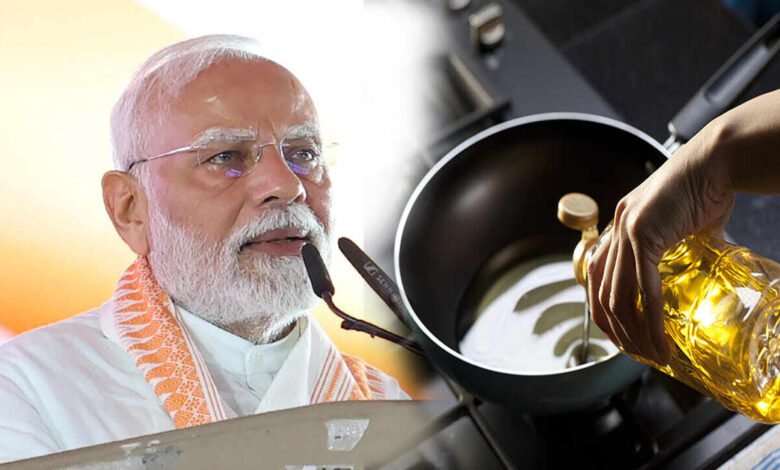
Cooking habits in Indian households may be on the verge of a quiet transformation. Prime Minister Narendra Modi recently urged citizens to reduce the use of cooking oil in daily meals, pointing out both health risks and the country’s heavy dependence on imported edible oils. His message was simple but powerful, small changes in the kitchen can lead to big benefits for personal health as well as the national economy.
India imports a large portion of its cooking oil requirements from other countries, which places a significant burden on the economy. By cutting down unnecessary oil usage, the country can reduce this dependency while also promoting healthier eating habits. The Prime Minister emphasized that mindful cooking choices made at home can collectively contribute to a stronger and more self reliant nation.
At first glance, Indian cuisine appears inseparable from oil. From tadka in dals to deep fried snacks, oil is often considered essential for taste. However, health experts have long warned that excessive oil consumption increases the risk of obesity, high cholesterol and heart related diseases. This has raised an important question in many households, is it really possible to cook without oil, and still keep food tasty?
The answer is increasingly yes. Modern cooking techniques and kitchen tools now make it possible to prepare flavorful meals with very little or even no oil. One of the simplest changes is the use of non stick cookware. With good quality pans, vegetables and everyday dishes can be cooked with minimal oil without sticking or losing texture.


Another healthy approach is steaming, which is widely regarded as one of the best oil free cooking methods. Steamed food retains most of its natural nutrients and avoids unnecessary fats. Baking and roasting are also becoming popular alternatives. For example, roasted snacks are often seen as a healthier version of fried items, offering similar taste with much less oil content.
In recent years, air fryers have gained significant popularity in Indian kitchens. These devices help recreate the crispiness of fried food using only a fraction of oil. This makes them an attractive option for people who want to enjoy traditional snacks while still maintaining a healthier diet.
As awareness grows, more households are gradually experimenting with these methods. The idea is not to completely eliminate oil, but to use it more consciously. With small adjustments in cooking style, it is possible to strike a balance between taste, tradition and health.