Googlebook Laptop Could Bring Full Android Experience to PCs With Gemini AI Integration
Google is reportedly developing Googlebook laptops powered by Android based systems, featuring Gemini AI, Magic Pointer tools and deep smartphone integration aimed at creating a seamless cross device computing experience.

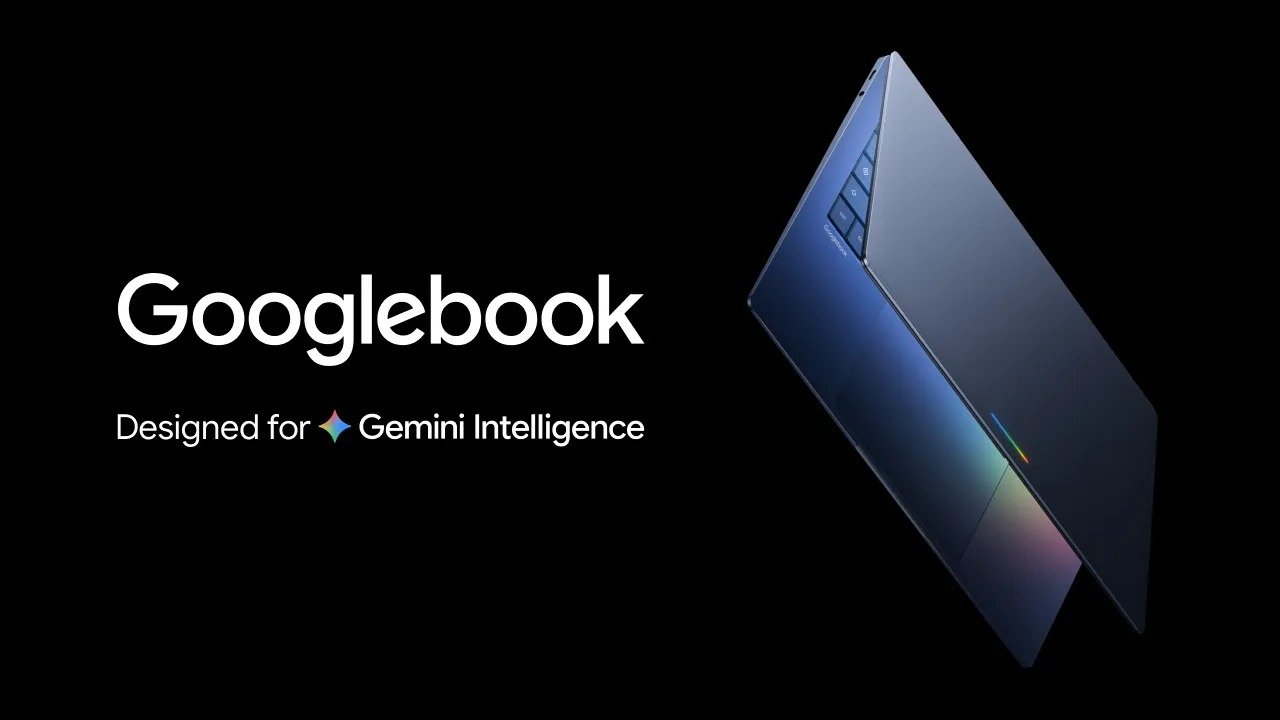
Google is reportedly preparing a major shift in the laptop segment with a new category called Googlebook. After nearly 15 years of Chromebook devices, the company appears to be exploring a fresh direction that could bring a full Android based experience to laptops. This move is expected to reshape how users interact with apps, services and artificial intelligence on larger screens.
Instead of ChromeOS, the upcoming Googlebook devices are expected to run on an Android based operating system. This change could allow users to experience mobile apps directly on laptops in a more natural and optimized way. Google is said to be focusing on creating a unified ecosystem where Chrome browser functions and Android applications work together without limitations.
One of the most interesting features being developed for Googlebook is called Magic Pointer. Built in collaboration with DeepMind, this feature is designed to make the mouse cursor more intelligent. As users move the pointer across the screen, Gemini AI may offer real time suggestions based on what is being displayed. For example, if an email contains a date, the system could instantly suggest adding it to a calendar event. Similarly, selecting images might allow the AI to combine or edit them automatically.
The upcoming laptops may also introduce a prompt based widget creation system. Users would simply describe what they need, and Gemini would generate a custom widget using information from Gmail, Calendar and other Google services along with web data. This could make everyday tasks faster and reduce the need to manually switch between multiple apps.


Another major highlight of the Googlebook concept is deeper integration with Android smartphones. Since the system is expected to be Android based, users may be able to run mobile apps directly on their laptop screens. Reports also suggest that a Quick Access feature could allow users to open and manage phone files on the laptop without uploading them to cloud storage, making data sharing more seamless.
Google is also reportedly working with major hardware manufacturers including Acer, Asus, Dell, HP and Lenovo to bring these devices to market. The laptops are expected to feature premium build quality and a design language that clearly differentiates them from traditional Chromebooks. While exact specifications are still under wraps, the company is believed to be aiming for a more modern and unified computing experience.
At the core of this new approach is Gemini AI, which is expected to act as a constant digital assistant across the system. Instead of being limited to search or chat responses, the AI could actively assist in managing tasks, organizing information and interacting with apps in real time. This represents a significant step toward making laptops more intuitive and context aware.
Google has not yet revealed the official launch timeline or pricing details for the Googlebook lineup. However, reports suggest that more information could be shared later this year as the project moves closer to public announcement. If launched, Googlebook could mark one of the biggest changes in personal computing since the introduction of Chromebooks, blending Android flexibility with advanced AI capabilities.