



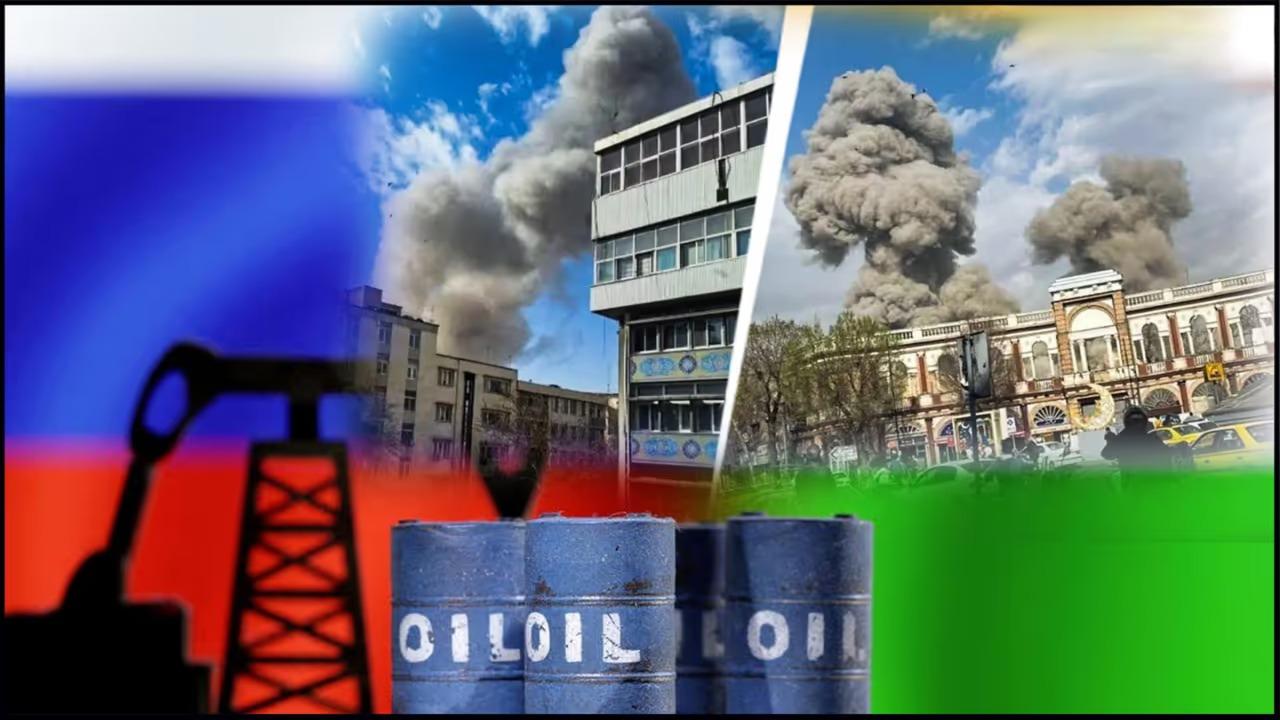
New Delhi : The escalating conflict between Iran and Israel has triggered serious concerns for India’s energy security, with experts warning of potential disruptions to crude oil supplies passing through the strategically vital Strait of Hormuz. Any prolonged disruption in this key maritime route could significantly impact India’s economy and lead to a sharp rise in fuel prices.
India relies heavily on imports to meet its energy needs, with nearly 85–88 percent of its crude oil requirement sourced from overseas. The Strait of Hormuz, located between Iran and Oman, serves as a crucial transit point for oil shipments from major Middle Eastern producers such as Iraq, Saudi Arabia, the UAE, and Kuwait. According to global analytics firm Kpler, nearly 50 percent of India’s monthly crude oil imports in January and February passed through the Strait of Hormuz, compared to around 40 percent during November and December last year.
The intensifying military confrontation between Iran, Israel, and the United States has increased geopolitical risks in the region, raising fears that Iran could restrict or disrupt maritime traffic through the strait. Such a move would directly affect India, which imports approximately 2.6 million barrels of crude oil per day through this route. Any blockade or prolonged disruption could impact nearly half of India’s incoming crude oil supply.
Crude oil plays a vital role in sustaining India’s transportation, manufacturing, and industrial sectors. As the world’s third-largest crude oil importer, India is particularly vulnerable to global price fluctuations. Analysts warn that even a $1 increase in crude oil prices could raise India’s annual import bill by nearly ₹9,000 crore, putting additional pressure on the country’s fiscal balance and potentially increasing inflation.
In recent months, India’s dependence on Middle Eastern oil has increased, partly due to shifts in sourcing patterns and evolving geopolitical dynamics. Imports through the Strait of Hormuz rose to 2.6 million barrels per day in February, up from around 2 million barrels per day last year. This shift reflects India’s growing reliance on traditional Middle Eastern suppliers to ensure stable supply.
The ongoing conflict has also created uncertainty in global energy markets, with traders closely monitoring developments. Any escalation could lead to supply shortages, increased shipping costs, and higher insurance premiums for oil tankers, further contributing to rising fuel prices.
Experts warn that sustained tensions in the region could have long-term implications for India’s economic stability, affecting fuel costs, transportation expenses, and overall inflation. The government and energy companies are closely monitoring the situation and exploring alternative supply routes to minimize disruptions.
As the conflict continues, India faces mounting challenges in safeguarding its energy security while navigating the economic consequences of geopolitical instability in one of the world’s most critical oil-producing regions.

