



Srinagar/Islamabad : The reported death of Iran’s Supreme Leader Ayatollah Ali Khamenei in a joint military strike allegedly carried out by Israel and the United States has triggered a wave of sharply divided reactions across Iran and several parts of the world. While some sections mourned his death, others—particularly women and diaspora groups—were seen celebrating, reflecting deep internal and global divisions over his legacy.
In multiple Iranian cities including Tehran, Shiraz, Isfahan and Qaem Shahr, groups of women and youth gathered on streets, dancing, bursting firecrackers, and raising slogans calling for “freedom.” Videos circulating on social media showed people honking car horns, waving flags, and expressing relief. Many women, in particular, viewed the development as symbolic, citing decades of restrictions on women’s rights, dress codes, and social freedoms under Khamenei’s leadership.
Celebrations were not limited to Iran alone. Large gatherings of Iranians living abroad were reported in Los Angeles, New York City, Toronto, Munich and London. In Los Angeles, which has one of the largest Iranian diaspora populations, thousands gathered in areas such as Westwood, waving Iranian, American, and Israeli flags. Demonstrators described the moment as historic, expressing hopes for political change in Iran.
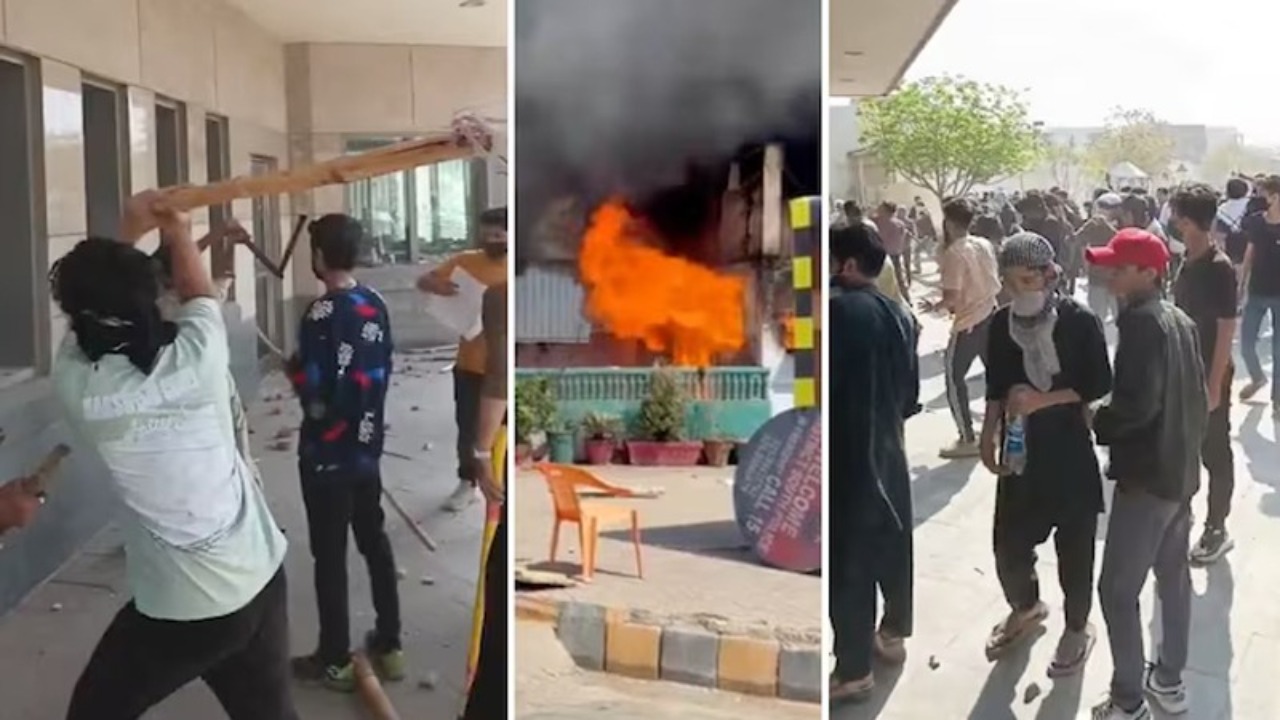
However, the response was equally intense in the opposite direction. Thousands of supporters gathered at Tehran’s Enghelab Square, holding portraits of Khamenei and mourning his death. In Baghdad, protesters attempted to march toward the US Embassy in the heavily fortified Green Zone, resulting in clashes with security forces and incidents of stone pelting.
Protests were also reported in Islamabad and in parts of Kashmir, including Srinagar, where demonstrators condemned the killing and raised slogans against the US and Israel.
The incident has intensified geopolitical tensions and sparked debates over Iran’s future leadership and regional stability. Analysts warn that the development could have far-reaching consequences for Middle East security, global diplomacy, and internal political dynamics within Iran.

