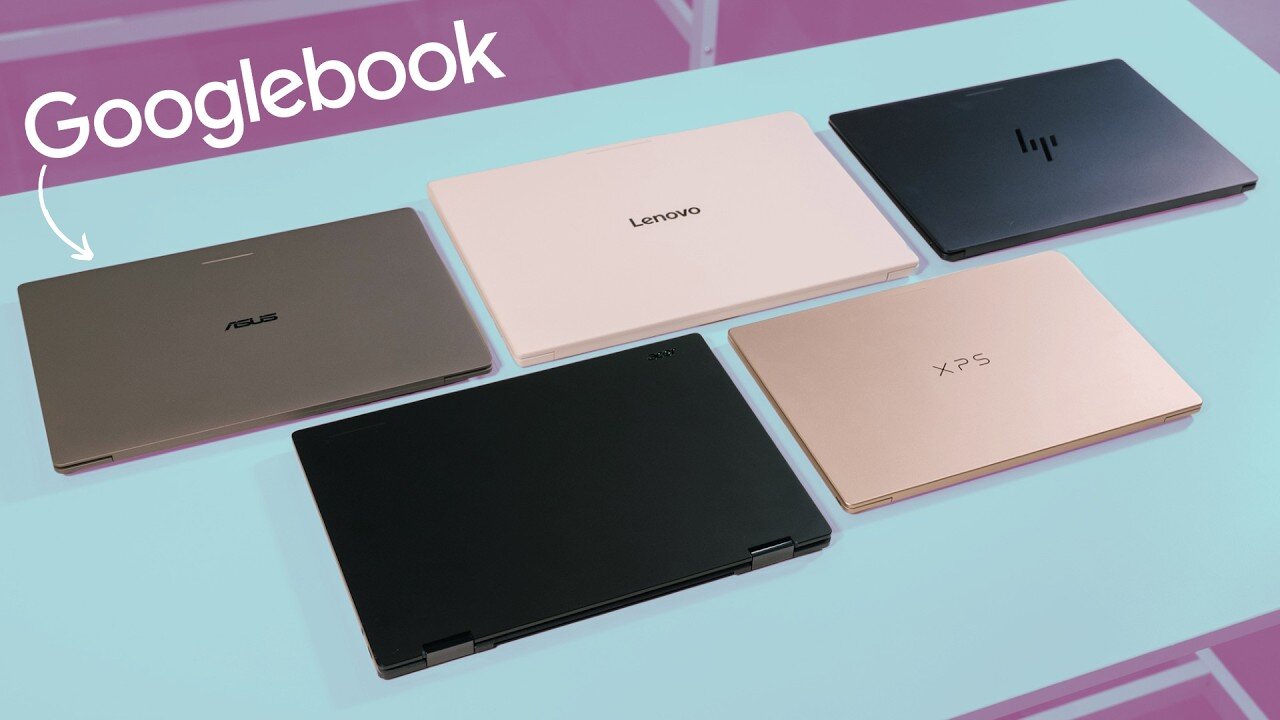
Google has officially entered a new phase of the laptop market with Googlebook, a new category of premium computers designed around Gemini Intelligence and close integration with Android phones. The first devices are being made in partnership with Acer, ASUS, Dell, HP and Lenovo.
The biggest difference users may notice is how closely the laptop works with an Android smartphone. Googlebook is built on the Android technology stack while bringing desktop capabilities associated with ChromeOS. The idea is to reduce the constant switching between a phone and laptop when continuing everyday tasks.
Five launch models are part of the initial lineup. These include devices from Acer, ASUS, Dell, HP and Lenovo, with prices beginning at 899 dollars. Google says the machines use premium materials such as aluminium, magnesium alloy and carbon fibre, along with backlit keyboards and modern touch interfaces.
Display options vary between models, with some versions offering OLED touchscreens with resolutions reaching 2.8K. The lineup is also built around processors from Intel and Qualcomm, while dedicated neural processing units provide more than 45 TOPS on supported models. Google claims battery life can reach up to 14 hours, depending on the device.
The Android connection is one of the main reasons Google is positioning Googlebook as something different from a traditional Chromebook. During setup, compatible Android phones can connect with the laptop and allow users to access selected phone related information and functions.
Files stored on a connected phone can also be accessed through Googlebook. The system is designed to make it easier to find photographs and other files without repeatedly moving content manually between devices. Google has also introduced features that allow users to cast compatible Android applications onto the laptop screen.
Another useful feature is Continue On, which is designed to help users move an activity from their phone to their laptop. This could be useful when a task begins on a smaller screen but becomes more convenient on a full size computer.
Googlebook is also closely tied to Gemini. One of the headline features is Magic Pointer, which brings Gemini into the users current workspace when the cursor is moved in a particular way. Google says the feature can understand text, images and context and provide relevant assistance while users are working.
For example, Gemini can assist with content on screen, including analysing information or helping with writing related tasks. The aim is to make AI assistance part of the normal desktop experience instead of requiring users to open a separate application every time they need help.
Voice input gets its own feature through Rambler. Google describes it as a tool that can take an unstructured spoken stream and turn it into more organised text. It can clean up mistakes and arrange information into useful sections, while also supporting multilingual conversations.
Googlebook is not limited to web browsing either. The platform provides access to Android applications alongside the desktop Chrome browser. Users can also access a broad selection of applications and entertainment services, while gaming support includes Android titles and cloud gaming through GeForce Now.
Developers are another important part of the new platform. Google includes Antigravity with Googlebook, allowing users to build applications and widgets. A full Linux terminal environment is also available, with support for tools such as Claude Code and Antigravity CLI.
Security has received attention as well. Googlebook devices include Titan security hardware and additional protection features. Google is also promising regular feature releases and software updates for up to 10 years, giving the platform a longer planned support period than many users may expect from a laptop.
The pricing puts Googlebook firmly in the premium laptop category. The starting price is 899 dollars, while individual models from ASUS, Dell, HP and Lenovo reach higher price points depending on their configuration. Each Googlebook also includes 12 months of Google AI Pro, which comes with 5TB of cloud storage and Gemini Advanced tools. Google is also offering three months of YouTube Premium and additional bundled services with the devices.
Preorders have opened, with retail availability scheduled for October 4 in the United States and October 5 in Canada, the United Kingdom, Ireland, France, Germany and Australia. Google has not announced an India launch date or local pricing yet.
The arrival of Googlebook marks a significant change from Google’s earlier Chromebook strategy. Instead of focusing primarily on simplicity and cloud based computing, the company is now targeting users who want premium hardware, Android connectivity and built in AI capabilities in a single machine.
For Android users, the phone integration could become the most practical part of the experience. For people who spend their day moving between smartphones and computers, having files, applications and ongoing tasks connected across both devices could make everyday computing more convenient.