Delhi EV Policy 2026 to 2030 Signals Major Shift Toward Electric Mobility With Tax Relief and Subsidies
Delhi government’s draft EV policy introduces major incentives, scrappage benefits, charging infrastructure expansion, and phased restrictions on petrol and diesel vehicles to accelerate large scale electric vehicle adoption across the city

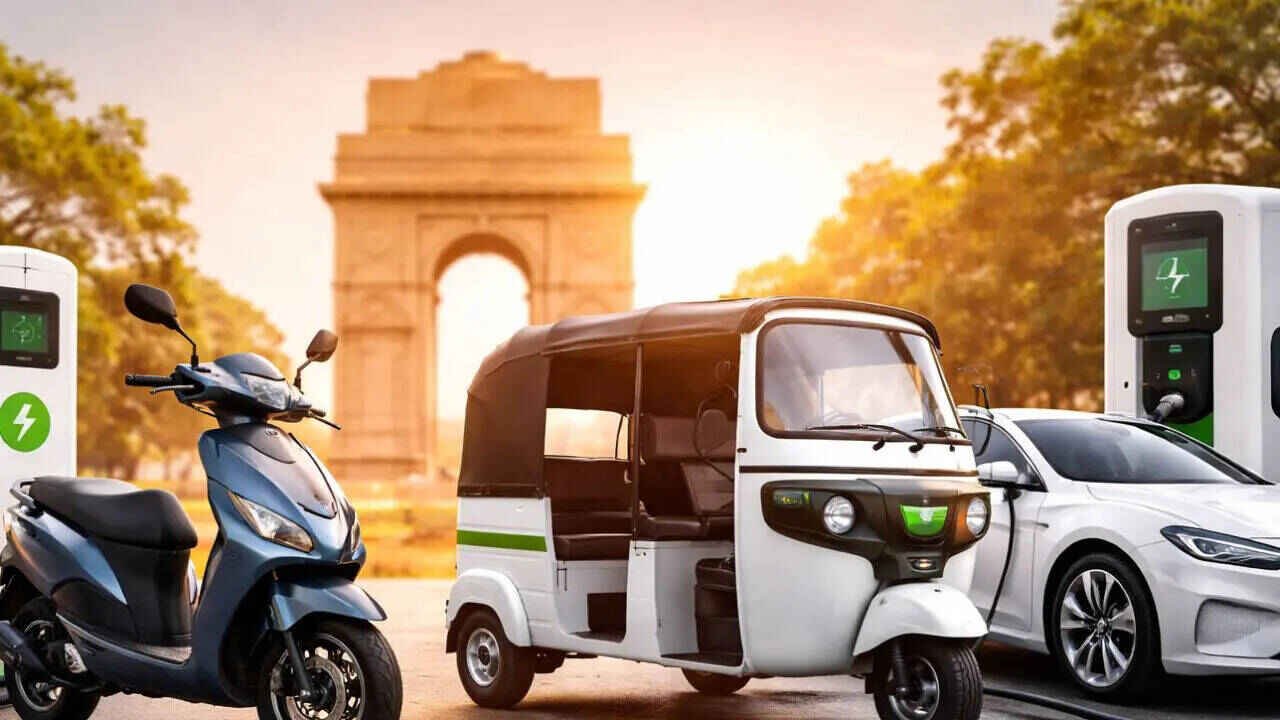
Delhi is preparing for a major transformation in its transport system as the government has released the draft of the Electric Vehicle Policy 2026 to 2030. The plan focuses on reducing dependence on petrol and diesel vehicles while aggressively promoting electric mobility through subsidies, tax benefits and infrastructure expansion. If implemented as proposed, the policy could significantly reshape how people travel across the capital in the coming years.
A key part of the draft policy is the gradual phase out of internal combustion engine vehicles from high usage segments. From January 2026, new petrol and diesel two wheelers and light goods vehicles will not be allowed in aggregator and delivery fleets. By the end of 2026, BS VI two wheelers may still be permitted, but after that a full shift toward electric vehicles is expected. Starting January 2027, only electric three wheelers will be allowed for new registrations in Delhi, marking a strong push toward cleaner public transport options.
To support this transition, the government has proposed a structured subsidy system for EV buyers. Electric two wheelers, depending on their battery capacity, may receive financial incentives over three years with the highest support offered in the first year. Electric auto rickshaws are also expected to get fixed incentives across the initial years of adoption. For electric goods carriers in the N1 category, the draft suggests even higher support, especially in the early phase, to encourage commercial fleet electrification.
Another major highlight is the tax relief plan. Electric cars priced up to 30 lakh rupees may get full exemption from road tax and registration charges until March 2030. Strong hybrid vehicles in the same price bracket could also benefit from partial relief. However, luxury electric cars above 30 lakh rupees are likely to remain outside this incentive structure, keeping the focus on mass adoption rather than premium segment growth.


The policy also brings strong scrappage incentives aimed at removing older polluting vehicles from roads. Users who scrap BS IV or older vehicles and switch to electric cars may receive financial benefits of up to one lakh rupees, although this is expected to be limited to the first set of applicants. Additional scrappage support is also proposed for electric two wheelers, three wheelers and goods carriers, with direct benefit transfers planned to ensure transparency and faster processing.
Charging infrastructure development is another central pillar of the draft. All major civic bodies including MCD, NDMC and Delhi Cantonment Board will be required to make new projects EV charging ready. The city will also identify dedicated spaces for charging stations and battery swapping hubs. Delhi Transco Limited is expected to coordinate the rollout, while a single window clearance system has been proposed to speed up approvals and reduce delays in infrastructure expansion.
If the policy moves forward in its current form, Delhi could see a rapid rise in electric vehicle adoption across delivery services, public transport and commercial fleets. The broader aim is clear and focused on gradually replacing fossil fuel based mobility with a cleaner, more sustainable transport ecosystem supported by strong incentives and reliable infrastructure.