NPCI BHIM Services Limited has introduced MyUPI, an AI powered conversational assistant inside the BHIM payments app. The service is designed to make several UPI related tasks easier by bringing transaction support, complaint services and security guidance into a single conversational interface.
MyUPI was introduced at the Global Fintech Fest and is designed to provide assistance in a more conversational format. According to the information provided, the service currently supports English, Hindi, Telugu, Tamil and Bengali, with support for additional regional languages expected in the future.
The new assistant is aimed at everyday UPI users who may need help after making a payment or while managing different features connected to their bank accounts. BHIM already supports transaction history, multiple linked bank accounts, UPI AutoPay and complaint reporting.
One of the notable features is the ability to view UPI transactions across linked accounts and applications from the MyUPI interface. Users can also seek assistance regarding a particular payment instead of having to search through different sections of the application.
Complaint management is another part of the service. Users can reportedly raise payment related complaints and track their progress using a reference number within the app. This could make it easier to follow up when a transaction does not go through as expected.
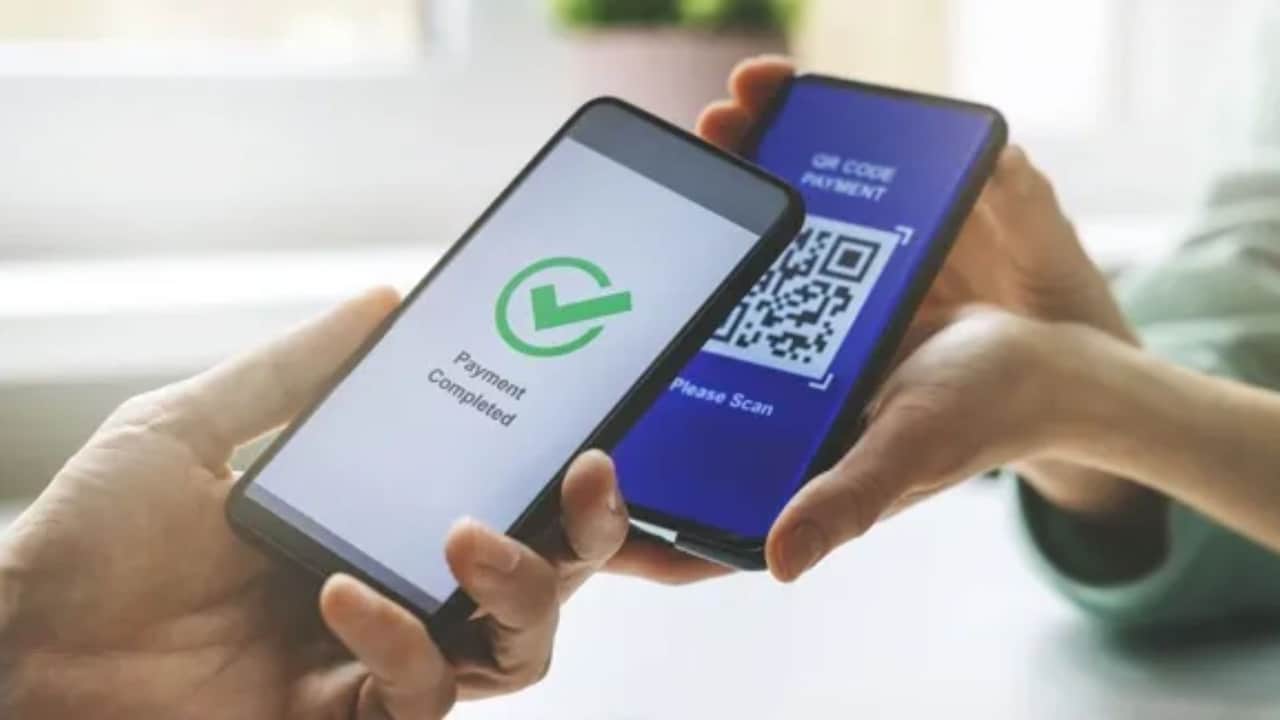
MyUPI also focuses on payment verification. Its Pay Safe feature is designed to help users verify the identity associated with a UPI ID or QR code before completing a transaction. This is particularly relevant because QR codes and payment links are commonly used in digital payment scams. NPCI itself warns users about fraudulent QR codes, fake cashback links and messages designed to trick people into making payments.
The assistant also brings together information about recurring UPI payments. Users can check active AutoPay mandates associated with their accounts and manage them from the available controls. Depending on the mandate, users can stop, restart or cancel recurring payment arrangements.
Another option allows users to repeat an earlier UPI payment. The transaction can be initiated again, but authentication through the UPI PIN is still required before the payment is completed. This provides a quicker way to make a familiar payment without manually entering all the details again.
MyUPI also includes an option related to UPI numbers. Users who do not want to receive payments through a mobile number linked to their UPI setup can unlink the UPI number while continuing to use their UPI ID for transactions.
Security controls become particularly important when a phone is lost or a user notices suspicious activity. The Safety Switch feature is designed to provide a way to block linked bank accounts in situations such as a lost phone, suspected fraud, an unexpected debit or a suspicious message.
The assistant also aims to improve awareness about common UPI scams. Instead of simply completing transactions, MyUPI can provide conversational guidance about suspicious messages and commonly used scam methods. This is consistent with NPCI guidance, which highlights social engineering, fake cashback links, unknown applications and deceptive messages among risks faced by digital payment users.
The arrival of MyUPI comes as digital payments continue to handle a very large volume of transactions in India. NPCI data shows that UPI recorded more than 24.5 billion transactions in August 2026, with transaction value exceeding Rs 29.8 lakh crore.
With such widespread usage, payment apps increasingly need to address not only speed and convenience but also the questions users face when something goes wrong. A conversational assistant can provide another route to information without requiring users to navigate through several menus.
MyUPI therefore combines several functions that are otherwise spread across different parts of a payment application. Transaction assistance, complaint tracking, recurring payment management, UPI number controls and fraud awareness are brought together through the same interface.
However, users should still treat AI based assistance as a support tool rather than a guarantee against fraud. UPI payments require users to check the recipient details before authorising a transaction, and sensitive information such as UPI PINs should never be shared with another person.
For BHIM users, MyUPI represents a move toward a more conversational approach to digital payment support. Its usefulness will depend on how accurately it handles user requests and how widely its language support expands in the coming months.