India’s strategic oil reserves at 64 percent capacity, government tells Rajya Sabha

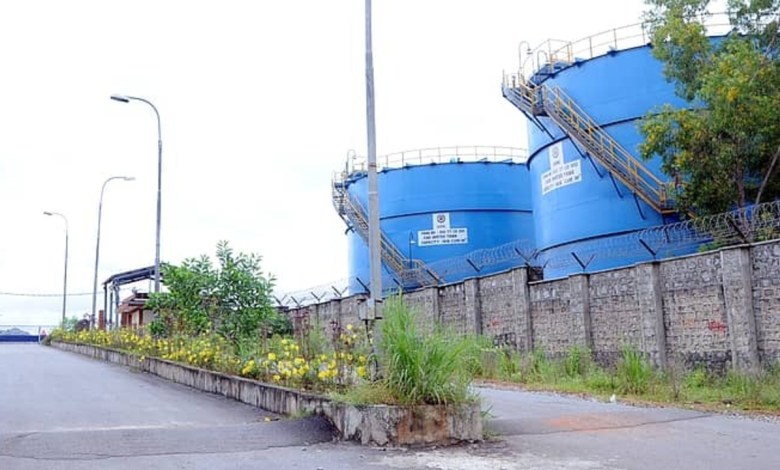
New Delhi: The Central government on Monday informed the Rajya Sabha that India’s strategic petroleum reserves are currently filled up to around 64 percent of their total capacity, providing a crucial buffer against global supply disruptions and price volatility.
Responding in a written reply, Union Minister of State for Petroleum and Natural Gas Suresh Gopi stated that approximately 33.72 lakh tonnes of crude oil are currently stored in underground facilities, out of a total capacity of 53.3 lakh tonnes.
These strategic reserves are designed to meet the country’s crude oil requirements for about nine and a half days in case of emergencies such as sudden price spikes or supply disruptions in the global market. The reserves play a key role in enhancing India’s energy security, particularly amid geopolitical uncertainties that impact crude oil supply chains.


India’s underground oil storage facilities are located at Visakhapatnam in Andhra Pradesh, Mangaluru in Karnataka, and Padur near Udupi. These strategically chosen locations allow efficient access and distribution during crises.
“The quantity of crude oil stored in these underground caverns varies depending on market conditions,” Gopi explained, highlighting the dynamic nature of reserve management based on international price trends and domestic consumption needs.
The minister further revealed that the government had approved the construction of two additional strategic petroleum reserve facilities in 2021. These include a 40 lakh tonne capacity storage unit at Chandikhol and another with a capacity of 25 lakh tonnes at Padur in Karnataka.
Work on the Padur facility has progressed, with the work order for construction being issued in October 2025, marking a step forward in expanding India’s strategic reserves infrastructure.
In addition to these reserves, India has the capacity to store crude oil and petroleum products sufficient for up to 74 days, when combined with storage facilities maintained by oil marketing companies. This integrated storage capability ensures that the country can withstand extended periods of supply disruption without significant impact on domestic fuel availability.
The government’s update comes at a time when global energy markets remain volatile, underlining the importance of strengthening domestic reserves and infrastructure to safeguard national energy needs.