Centre pushes PNG expansion amid LPG supply concerns, new policy to ease pipeline rollout

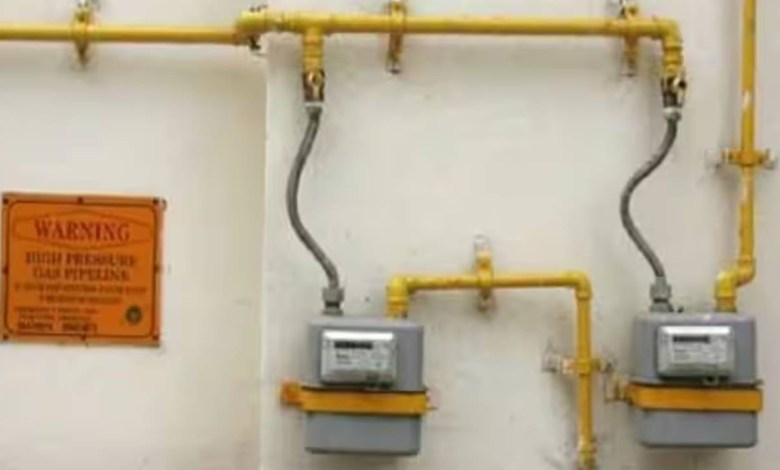
New Delhi : Amid disruptions in LPG supply, the Government of India has moved to strengthen alternative energy infrastructure by accelerating the expansion of natural gas networks across the country. The Centre has issued the “Natural Gas and Petroleum Products Distribution Order, 2026” to streamline pipeline development and boost access to piped natural gas (PNG) and compressed natural gas (CNG).
The move comes as the government looks to reduce dependence on LPG and ensure uninterrupted energy supply for households and industries. Officials said the new framework aims to remove long-standing bottlenecks faced by city gas distribution companies in laying pipelines.
According to the Ministry of Petroleum and Natural Gas, companies have been struggling with multiple hurdles such as land acquisition issues, delays in approvals, and high local levies. The new order seeks to introduce a uniform regulatory framework to simplify permissions and facilitate faster pipeline installation across urban and semi-urban areas.

The policy push gains significance against the backdrop of recent LPG supply challenges, which have highlighted the need for a more reliable and diversified energy distribution system. Unlike LPG, India’s natural gas supply chain—particularly LNG and PNG—has remained relatively stable, as it is less dependent on volatile geopolitical regions like the Gulf.
However, limited infrastructure has been a major constraint. Currently, just over 1.5 crore households in India have access to PNG connections, leaving a vast majority still reliant on LPG cylinders. Even in major cities, pipeline connectivity remains uneven.
For instance, in Bengaluru, PNG pipelines are available only in select localities, while large parts of the city still lack access. This uneven distribution has prevented wider adoption of piped gas despite its convenience and reliability.
The government believes that easing regulatory hurdles will empower city gas distributors to expand their networks more rapidly. This, in turn, is expected to encourage households to shift from LPG cylinders to PNG connections, reducing pressure on the existing LPG supply chain.
Industry experts say the transition could also bring long-term benefits, including cost efficiency, improved safety, and reduced logistical challenges associated with cylinder distribution. Additionally, expanding CNG infrastructure could support cleaner fuel adoption in the transport sector.
The recent policy intervention is being seen as a strategic shift towards strengthening India’s energy security. By promoting natural gas infrastructure, the government aims to build a more resilient system capable of withstanding supply disruptions.
While the success of the initiative will depend on effective implementation at the ground level, the new order is expected to provide much-needed momentum to India’s gas distribution sector.