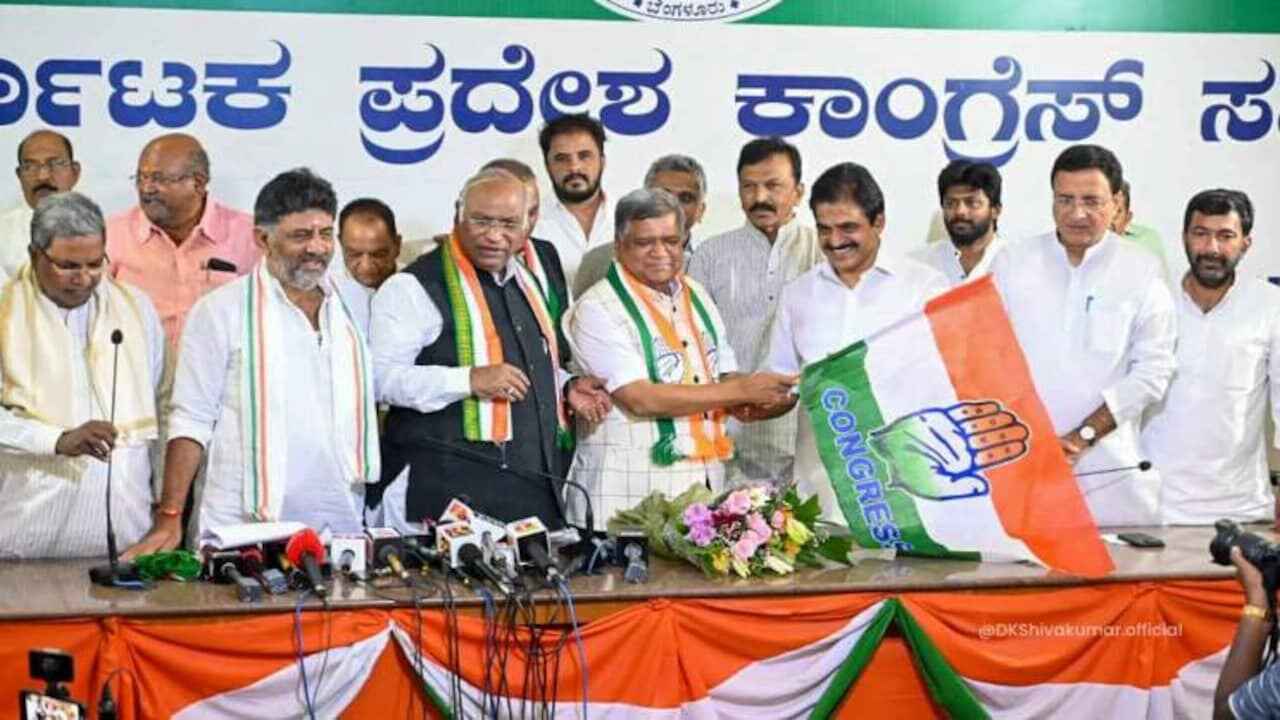
The newly appointed Karnataka Congress district presidents have been given a clear organisational timeline, with their performance expected to be reviewed after six months. Party leaders have asked them to focus on strengthening the organisation at the district and grassroots levels rather than simply holding their positions.
The instructions were discussed during a meeting with the new district presidents in Bengaluru on September 16. AICC general secretary K C Venugopal, Karnataka Congress in charge Randeep Singh Surjewala, KPCC president B K Hariprasad and senior Karnataka leaders participated in discussions on the party’s organisational plans.
According to the information provided about the meeting, the six month period is being treated as an important performance window for the newly appointed district leaders. Those whose organisational work does not meet the party’s expectations could face a review of their positions after the period.
The focus is not limited to district level activities. The new presidents have been asked to work on strengthening the party from the lower levels, including block and local organisational structures. They have also been asked to follow the directions and organisational strategy set by the KPCC.
One of the immediate targets is to fill vacant positions in district Congress committees. The new district presidents have reportedly been given 60 days to complete this process. The party is also planning to involve KPCC observers in the selection of block presidents.
The Congress leadership has asked the district units to avoid internal group alignments while carrying out organisational work. The emphasis, according to the meeting instructions, is on building the party structure across the districts and preparing workers for future electoral activity.
The party’s organisational planning is also being linked to the elections ahead. District presidents have been asked to begin preparations for the 2028 Karnataka Assembly election and the 2029 Lok Sabha election. They have also been told to keep the organisation ready for local body elections and other electoral exercises.
The Special Intensive Revision of electoral rolls was another issue discussed during the meeting. District leaders were instructed to pay attention to the process and work to ensure that Congress supporters and voters do not face difficulties during the revision exercise.
The issue has wider relevance in Karnataka because the electoral roll revision is currently underway. The Election Commission has been processing applications related to voter registration and corrections, while district election officials have also been handling notices and hearings connected with the exercise.
The Congress leadership also reviewed its war room and control room operations. A Congress Connect Centre was inaugurated as part of the organisational activity, while separate discussions were held with senior party leaders.
The September 16 discussions reportedly extended beyond the district presidents. Senior leaders also discussed organisational matters, including appointments to boards and corporations and filling vacant ministerial positions.
The latest organisational changes come after the Congress completed a process of appointing district committee presidents in Karnataka. The party’s national organisation has been using a broader organisational exercise to review and appoint district level leadership in several states.
The Karnataka Pradesh Congress Committee is currently headed by B K Hariprasad, who was appointed KPCC president by Congress president Mallikarjun Kharge in June 2026. D K Shivakumar became Karnataka Chief Minister in June after previously serving as KPCC president.
For the newly appointed district presidents, the coming months will therefore involve both organisational expansion and closer monitoring of their work. The six month review period, along with the 60 day target for filling vacant committee positions, gives the district units specific organisational deadlines.
The emphasis on grassroots strengthening also indicates that the party wants district units to remain active between elections rather than becoming focused only during campaign periods. The effectiveness of the new district leadership will be assessed through their organisational activity and progress against the targets set by the party leadership.