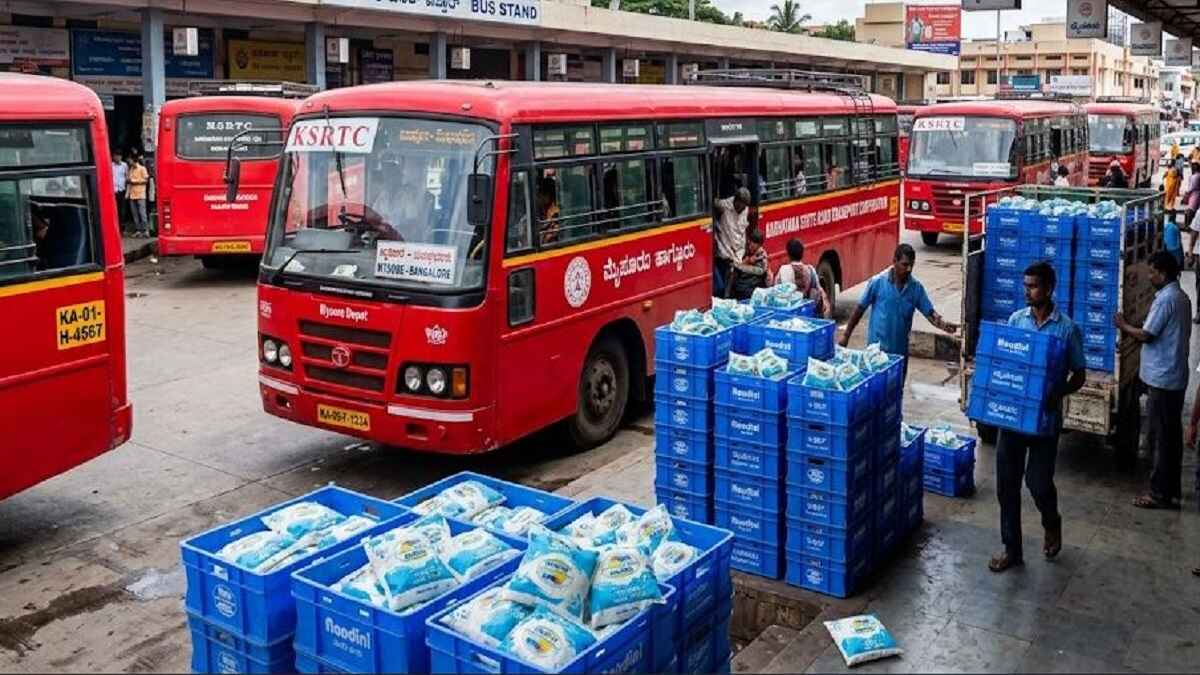
The Karnataka government has approved two major decisions that are expected to increase the financial burden on the public. At a recent Cabinet meeting, the government gave its nod to increase milk prices by Rs 8 per litre and revise fares for state-run public transport buses.
The hike in these two essential services is likely to have a direct impact on the monthly budgets of middle-class and low-income households across the state. However, the decisions have not yet been officially announced due to the Model Code of Conduct currently in force for the elections.
The government has forwarded the proposals to the Election Commission and will issue formal orders once it receives approval. The revised prices and fares are expected to come into effect from November 1, subject to the Election Commission’s clearance.
Under the revised milk pricing formula, the government has adopted an 80:20 revenue-sharing model. Of the additional Rs 8 per litre charged to consumers, Rs 6 will be transferred directly to milk producers, providing financial support to dairy farmers across Karnataka.
The remaining Rs 2 will be allocated to district milk unions to help meet their operational and administrative expenses. With the proposed revision, the price of toned milk will increase from Rs 46 to Rs 54 per litre, while Samruddhi milk will rise from Rs 56 to Rs 64 per litre.
The prices of cow milk and Shubham milk will also increase by Rs 8 per litre. Meanwhile, public transport commuters will also face higher travel costs. Bus fares across state-run transport corporations will be revised, with ticket prices increasing by Rs 3 to RS 30, depending on the distance travelled.
The dual increase in milk prices and bus fares is expected to place additional financial pressure on daily commuters, salaried employees, students, and families who rely heavily on these essential services.