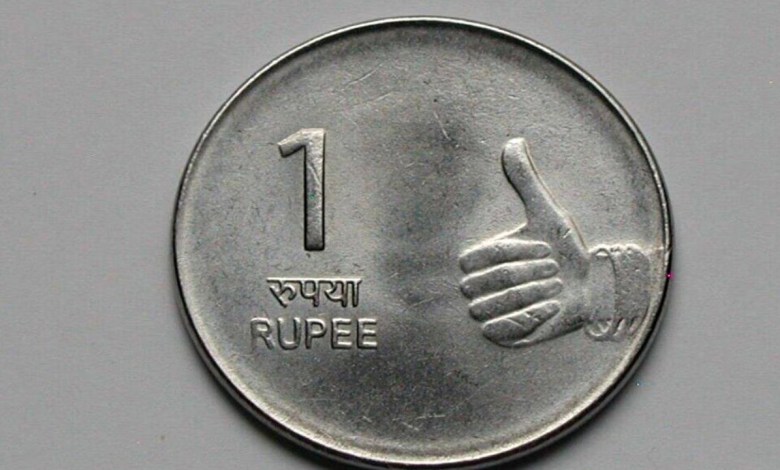
One Rupee Coin Story reveals surprising cost behind minting a single rupee coin
The one rupee coin may seem insignificant in daily life but the cost of producing it is actually higher than its face value revealing an unusual financial reality.

Why the one rupee coin costs more to produce
The one rupee coin is one of the most commonly used forms of small change in India, often overlooked because of its minimal value. However, an interesting financial fact lies behind this small coin. The cost required to manufacture a single rupee coin is actually higher than the value printed on it.
Information revealed earlier through the Right to Information Act showed that producing one rupee coin costs the government about 1.11 rupees. This means the government effectively spends eleven paise more than the coin’s face value every time a new coin is minted. Experts believe that the production cost could be even higher today because of rising metal prices, inflation and increased labour expenses.
How other coins compare in production cost
While the government incurs a loss on one rupee coins, the situation is different for coins of higher denominations. The production cost for a two rupee coin is around 1.28 rupees, for a five rupee coin it is approximately 3.69 rupees and for a ten rupee coin it is about 5.54 rupees.
Because these coins have higher face values compared to their manufacturing costs, the government is able to recover some of the expenses through them. In simple terms, coins with larger denominations help balance the loss caused by producing lower value coins.


Coins versus currency notes and changing payment habits
Compared with coins, printing currency notes is significantly cheaper. For example, the Reserve Bank of India spends about 2290 rupees to print one thousand five hundred rupee notes. That means producing a single five hundred rupee note costs roughly 2.29 rupees.
The one rupee coin itself is made of stainless steel and weighs about 3.76 grams. These coins are produced only at government mints located in cities such as Mumbai and Hyderabad. Despite the manufacturing cost, the coin continues to remain part of India’s currency system.
However, the growing popularity of digital payment platforms such as UPI, PhonePe and Google Pay has gradually reduced the need for coins. From small tea stalls to large shopping malls, QR code based payments are becoming common, which has lowered the use of physical currency especially small coins. Although there is no immediate plan to discontinue the one rupee coin, experts suggest exploring alternative metals or manufacturing methods to reduce the production cost in the future.