SIM Swap and Phishing Scams Are Rising Fast as Cyber Criminals Target Online Banking Users
Cyber fraud cases involving SIM swap and phishing attacks are increasing rapidly as scammers use fake links, OTP tricks and stolen mobile numbers to empty bank accounts within minutes.

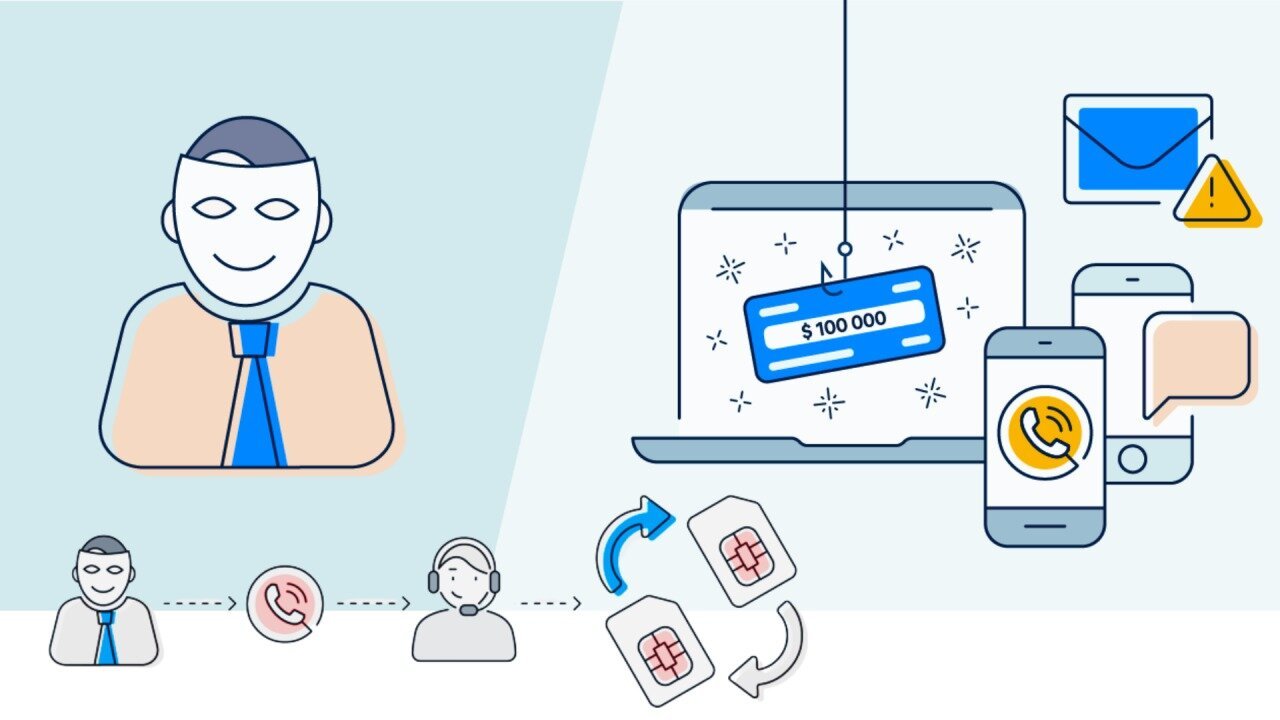
Digital banking and online payments have made daily life far more convenient, but cyber criminals are using the same technology to target unsuspecting users. Security experts are warning that SIM swap and phishing scams are now among the fastest growing online fraud methods in India, with many victims losing access to their bank accounts within minutes.
Unlike traditional robberies, these scams do not require physical theft. In many cases, a fake message, a suspicious phone call or a single click on a fraudulent link is enough for hackers to gain control over sensitive financial information. Cyber criminals often exploit panic, urgency and trust to trap users before they realize what is happening.
One of the most dangerous fraud methods currently spreading is the SIM swap scam. In this type of attack, criminals take control of a victim’s mobile number by convincing the telecom operator to activate a duplicate SIM card. Fraudsters usually collect personal details such as phone numbers, identity proofs or leaked data from social media and other online sources before attempting the scam.
Once the duplicate SIM becomes active, the original SIM in the user’s phone stops working. From that moment, all calls, OTP messages and banking alerts start reaching the fraudster instead of the actual account holder. This allows criminals to reset passwords, access banking apps and complete unauthorized transactions.


Cyber security professionals say users should immediately pay attention if their phone suddenly loses network access for a long period or if they receive unexpected calls related to SIM upgrades or verification. Such signs may indicate an ongoing SIM swap attempt.
At the same time, phishing scams continue to trap thousands of internet users every day. In phishing attacks, scammers send fake emails, SMS messages or WhatsApp links pretending to be banks, courier companies, electricity boards or government departments. These messages often create panic by claiming that a bank account will be blocked or a service will stop unless immediate action is taken.
The links used in these scams are designed to look almost identical to genuine websites. Many users fail to notice small spelling errors or unusual domain names and end up entering their login credentials, card details or OTPs. The moment this information is submitted, it is transferred directly to the cyber criminal.
Experts say awareness remains the strongest defense against such attacks. Users are advised not to rely only on SMS based OTP systems for account protection. Security applications such as Google Authenticator or Microsoft Authenticator can provide an extra layer of protection even if a SIM card is compromised.
Another important safety step is enabling a SIM card PIN lock through phone settings. This prevents unauthorized users from activating the SIM card in another device without entering the correct PIN code.
Cyber experts also advise users to avoid clicking on suspicious links, especially messages that create fear or pressure for immediate action. Genuine banks and government institutions rarely ask for sensitive information through random links or unofficial messages.
People are also being encouraged to reduce the amount of personal information shared publicly on social media platforms. Details such as birth dates, addresses and phone numbers can help fraudsters build fake identities for scams like SIM swapping.
If someone becomes a victim of cyber fraud, quick action can reduce financial damage. Victims should immediately contact their bank to block accounts or cards and report the incident to the National Cyber Crime Helpline by dialing 1930. Complaints can also be registered online through the cybercrime reporting portal.
As digital payments and mobile banking continue to grow, cyber security experts believe public awareness and cautious online behavior are becoming just as important as technology itself.