Apple Leads Global Smartphone Market as iPhone 17 Drives Strong Demand Worldwide
Global smartphone shipments fell in the first quarter due to supply shortages and weak demand, yet Apple secured the top position with rising iPhone 17 sales across major international markets and regions.

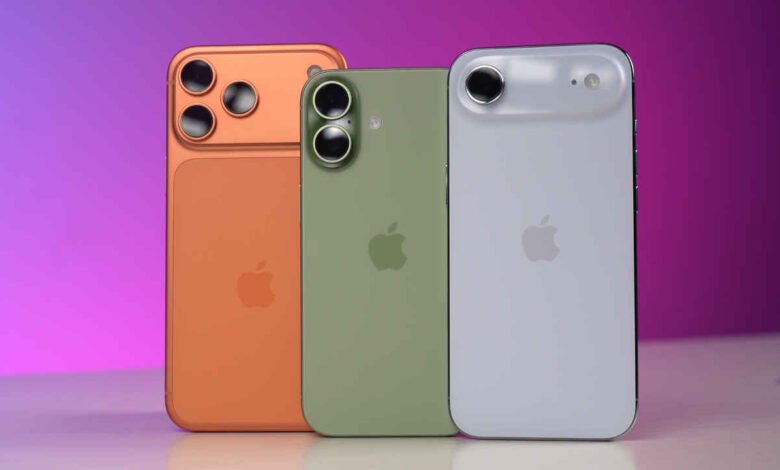
The global smartphone industry witnessed a noticeable slowdown in the first quarter of this year as shipments dropped by around six percent compared to the previous year. According to market research insights from Counterpoint, the decline has been linked mainly to shortages in memory components and weakening consumer demand across several regions. Rising geopolitical tensions in parts of the Middle East also played a role, leading many consumers to postpone non essential purchases, including smartphones.
Despite the overall decline, Apple emerged as the strongest performer in the global market. The company secured the top position with a 21 percent market share and recorded nearly five percent year on year growth. This marks the first time Apple has led the first quarter global smartphone shipments, driven largely by strong demand for its latest iPhone 17 series. Increased sales across Asia Pacific regions, including India, further strengthened its global position.
Samsung holds the second spot with close to 20 percent market share. However, the South Korean tech giant saw a six percent decline in sales. Analysts point to weaker demand for low cost smartphones and delays in the Galaxy S26 series launch as key reasons behind the slowdown, which affected its overall shipment performance.
In third place, Xiaomi maintained around 12 percent global share, though the company also experienced a dip in performance. Reports suggest that its strong focus on the entry level segment has impacted its premium brand positioning in some markets. At the same time, Xiaomi continues to see positive demand for its Xiaomi 17 series in China, particularly in the premium category.


Other major players include Oppo and Vivo, which secured the fourth and fifth positions respectively with market shares of about 11 percent and eight percent. Both brands continue to maintain a stable presence in global shipments, especially in Asian markets where competition remains intense.
Meanwhile, some smaller brands showed notable growth despite the overall market slowdown. Google recorded around 14 percent year on year growth, while UK based smartphone brand Nothing delivered an impressive jump of nearly 25 percent, reflecting rising interest in newer and niche smartphone offerings.
Overall, the first quarter highlights a mixed picture for the global smartphone industry, where leading brands continue to dominate while shifting consumer demand and supply challenges reshape the competitive landscape.