



Washington; The ongoing conflict involving United States, Israel and Iran has emerged as one of the most intense and deadly confrontations in the Middle East in recent years. What began as a series of military strikes has rapidly escalated into a broader regional crisis, drawing in multiple countries and armed groups across the region.
The conflict reportedly began after joint strikes by the United States and Israel inside Iran, targeting locations believed to be linked to military infrastructure. In response, Iran launched retaliatory attacks, which quickly intensified tensions and widened the scope of the confrontation across the Middle East.
Within a short span of time, the hostilities spread to several neighbouring regions, raising fears of a wider regional war. Military operations, air strikes and missile attacks have been reported from multiple fronts, making the situation increasingly volatile.
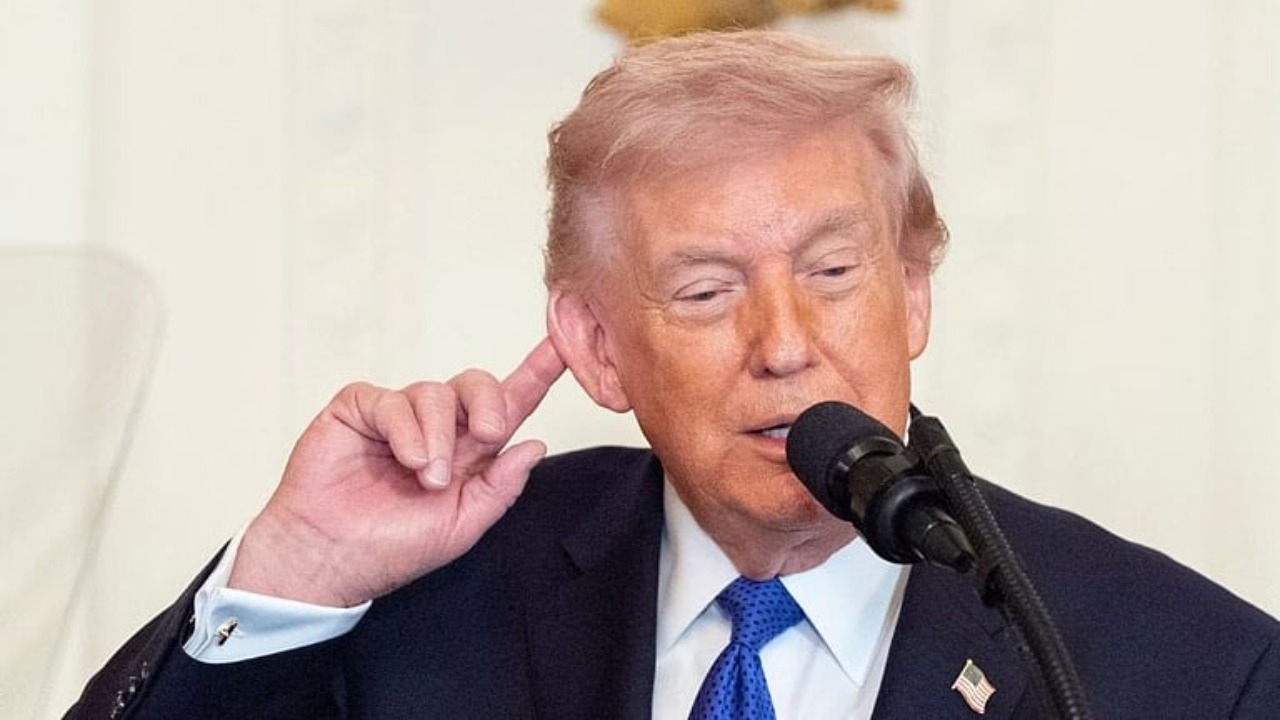
According to statements attributed to former US President Donald Trump, Iran has been severely weakened due to continuous strikes carried out by the United States and Israel. Trump claimed that Iran has been forced into a defensive position because of the sustained attacks and increasing pressure from regional developments.
He stated that Iran had reached out to some of its neighbouring countries in the Middle East and offered assurances that it would avoid further military escalation. Trump alleged that such developments were the result of the intense military pressure imposed by the United States and Israel.
In a post on his social media platform, Trump also stated that there could be no agreement with Iran unless it accepts unconditional terms. He further remarked that only after a change in Iran’s leadership would the United States and its allies consider assisting in rebuilding the Iranian economy.
Meanwhile, the conflict has also intensified along Israel’s northern border with Lebanon. Israel has issued strong warnings regarding the activities of the Iran-backed militant organisation Hezbollah. Israeli Defence Minister Israel Katz warned that Lebanon could face serious consequences if its government fails to disarm Hezbollah and curb its activities.
The growing confrontation has resulted in a significant loss of life. Reports indicate that at least 1,230 people have been killed in Iran since the conflict escalated. In Lebanon, more than 200 people have reportedly lost their lives due to military operations and cross-border strikes.
In Israel, around 11 people have been killed in attacks linked to the conflict, while six American soldiers have reportedly died since the hostilities began.
The rapidly escalating situation has raised global concern about the possibility of a prolonged regional war. Analysts warn that continued military escalation could destabilise the entire Middle East, affecting regional security, global energy markets and international diplomatic relations.
As tensions remain high, the international community continues to closely monitor the situation while urging restraint and diplomatic efforts to prevent further escalation.

