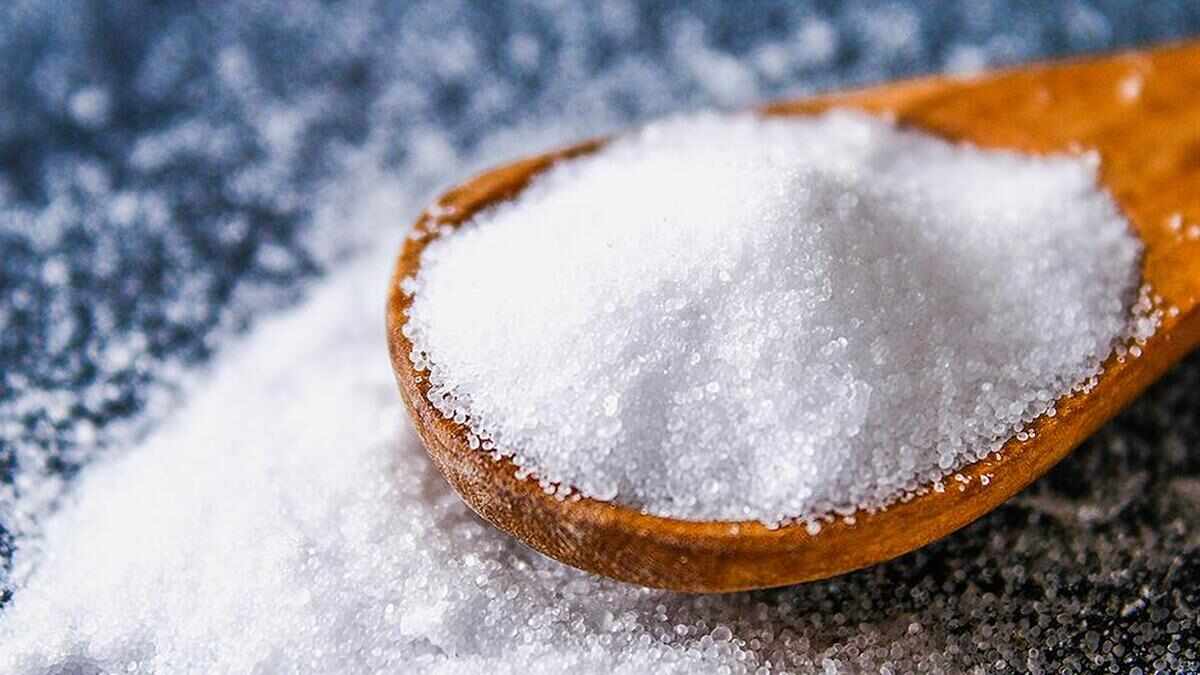
Karnataka is looking at ways to reduce excessive sugar consumption as part of a wider public health effort to address diet related diseases. The proposed approach could involve greater attention to the amount of sugar used in sweets, beverages and packaged food products.
The discussion comes soon after the state launched a plan aimed at reducing population level salt consumption. Karnataka has set a target of cutting salt intake by 30 percent by 2030, with measures covering food prepared at home, restaurants and processed food products.
The proposed focus on sugar follows similar concerns about changing eating habits. Health authorities are looking at dietary factors that contribute to the growing burden of noncommunicable diseases and are considering whether clearer limits or guidelines could encourage healthier food choices.
Under the proposed approach, food manufacturers could be given guidance on the amount of sugar used in products such as sweets, beverages and packaged foods. The details of any such framework, including whether it would be voluntary or mandatory, would need to be established before implementation.
The issue is not limited to packaged products. Regular consumption of foods and drinks containing large amounts of added or free sugars can increase overall sugar intake, making awareness among consumers an important part of any reduction strategy.
The World Health Organization recommends that free sugars account for less than 10 percent of total daily energy intake for both adults and children. It says reducing the level further to below 5 percent can provide additional health benefits.
For an average diet providing 2000 calories a day, the 5 percent level works out to roughly 25 grams of free sugar. The WHO guidance is intended as a population health recommendation rather than a fixed daily prescription for every individual.
The global health body has also identified measures such as nutrition labelling, consumer education, reformulation of food products and restrictions on marketing foods and drinks high in free sugars as possible public health interventions.
Sugar reduction is being discussed because excessive consumption is associated with several health concerns. High intake can contribute to unhealthy weight gain, while free sugars are also a major risk factor for tooth decay. WHO identifies reducing free sugar consumption as an important measure for preventing dental caries and supporting healthier diets.
Karnataka is also paying attention to food safety and the quality of products sold to consumers. Recent inspections of sweet manufacturing units across several parts of the state resulted in the seizure of products over issues including expired goods, mislabelling and other food safety violations.
Health Minister U T Khader has said recent food safety enforcement is intended to protect consumers while allowing businesses to continue operating responsibly. The department has indicated that action will be taken against establishments that fail to meet food safety requirements.
The proposed sugar related measures would therefore add another dimension to the states wider food and nutrition policy. Instead of focusing only on whether food is safe to consume, authorities are also looking at its nutritional composition and the long term effects of dietary habits.
Public awareness is expected to be important if Karnataka moves ahead with a sugar reduction programme. Consumers may need clearer information about the amount of sugar contained in packaged drinks, sweets and other commonly consumed products.
Food producers could also face questions about reformulation if the state eventually introduces specific targets. Reducing sugar while maintaining taste and consumer acceptance can be challenging, particularly for products where sweetness is a major part of their appeal.
The states salt reduction programme provides a possible framework for such efforts. The recently announced plan covers household salt use, food consumed outside the home and processed and packaged foods, while also encouraging lower salt cooking and reduced sodium content in food products.
WHO recommends that adults consume less than 2000 milligrams of sodium a day, equivalent to less than 5 grams of salt. The organisation has identified reducing sodium intake as an important measure for lowering the risk associated with high blood pressure and cardiovascular disease.
Karnataka could therefore see greater attention to both salt and sugar consumption as authorities work on broader measures for preventing noncommunicable diseases. The focus is increasingly moving towards changing food environments as well as encouraging individuals to make healthier choices.
For consumers, the message is mainly about moderation and awareness. Checking nutrition labels, limiting sugary drinks and frequently consumed sweet foods, and maintaining a varied diet can help reduce overall free sugar intake.
The exact form of Karnataka’s proposed sugar guidelines remains to be clarified. Any future policy would need to specify which products are covered, how sugar levels would be assessed and what responsibilities would apply to manufacturers and food businesses.
For now, the states move towards sugar reduction remains part of a broader discussion on nutrition and public health. The focus on salt and sugar reflects growing attention to dietary factors that can influence long term health outcomes.