Microsoft Windows 11 to Get Faster Performance With macOS Style Optimization Approach Apps May Open Instantly
Microsoft is upgrading Windows 11 performance using WinUI 3 improvements, system level optimization and low latency features to make apps launch faster and improve overall responsiveness like macOS experience.

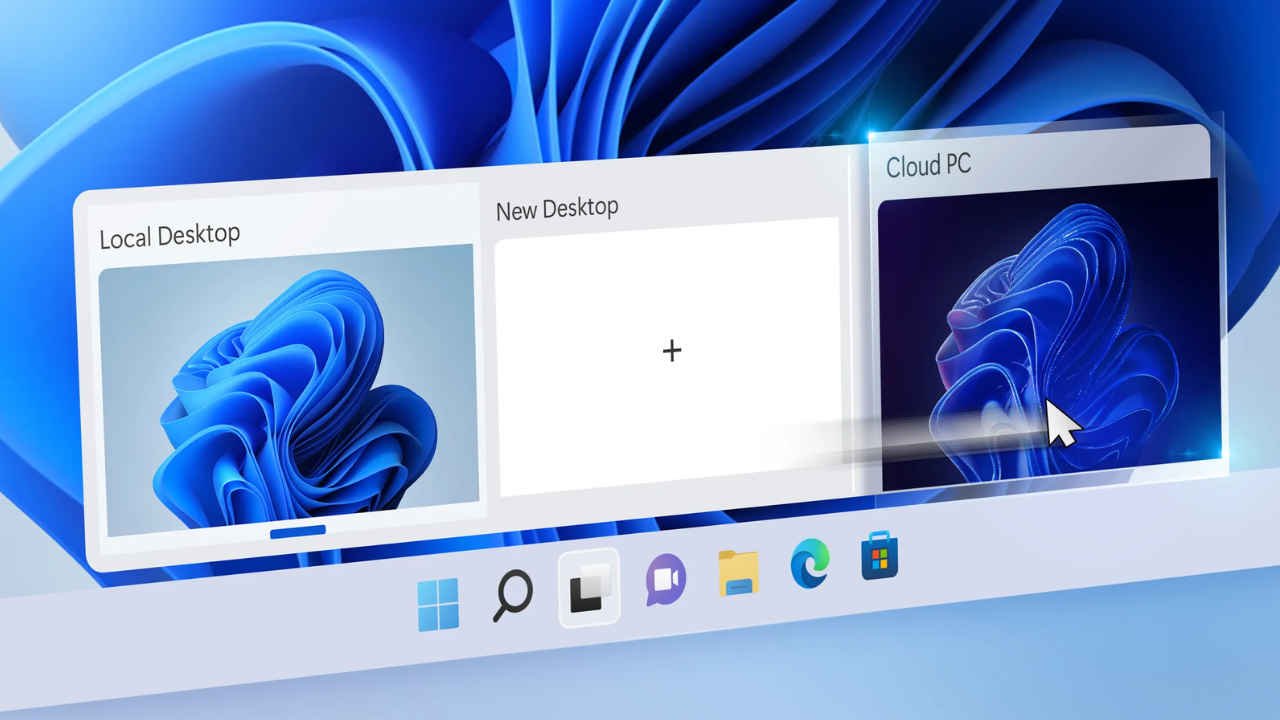
Microsoft is actively working on making Windows 11 faster, smoother and more responsive, especially as users continue to raise concerns about slow performance and delayed system animations. The company is now focusing on deep level improvements rather than only adding new features, aiming to improve how the operating system behaves at its core.
A major part of this effort comes under the Windows K2 initiative, where Microsoft is shifting important system components to the WinUI 3 framework. This framework plays a key role in powering modern Windows interfaces, including essential elements like the Start Menu and other system apps. The goal is to make the entire user experience more fluid and consistent across the operating system.
Interestingly, Microsoft is not just upgrading apps built on WinUI 3 but also improving the framework itself. According to updates shared on GitHub, the company is working on performance tuning so that WinUI 3 becomes a stronger and more efficient native UI platform for Windows applications. This means future apps and system elements could load faster and respond more instantly than before.
Internal testing is already underway, where Microsoft is using apps like File Explorer and Notepad as performance benchmarks. Early improvements suggest that File Explorer launch times have already shown noticeable speed gains in certain scenarios. These changes are expected to gradually appear in development builds before rolling out to the main WinUI 3 branch.


Microsoft engineer Beth Pan has highlighted that multiple teams within the company are working together to improve end to end system performance. The focus is not limited to visual interface upgrades but extends to deeper system optimization, which can improve how quickly Windows reacts to user actions across different tasks.
Another interesting development is the introduction of a Low Latency Profile Mode in Windows 11. This feature temporarily boosts CPU frequency to its maximum level for short durations, allowing the system to respond faster during demanding tasks. While it has sparked some debate, similar performance techniques are already used in operating systems like macOS and Linux to balance speed and efficiency.
These improvements show that Microsoft is aiming for a more modern performance model where system responsiveness is prioritized. By refining WinUI, optimizing system components and introducing smarter performance modes, Windows 11 is expected to feel more dynamic in everyday use.
Overall, Microsoft’s approach reflects a long term strategy to rebuild Windows performance from the foundation level. If these upgrades continue as planned, users may soon experience faster app launches, smoother navigation and a more macOS like fluid computing experience on Windows 11.