Rising Memory Costs May Push Apple iPhone Prices Higher Amid Global Supply Strain
Growing demand for memory components driven by AI infrastructure is increasing production costs for smartphones, potentially leading to higher iPhone prices as Apple navigates supply challenges and shifting global market dynamics

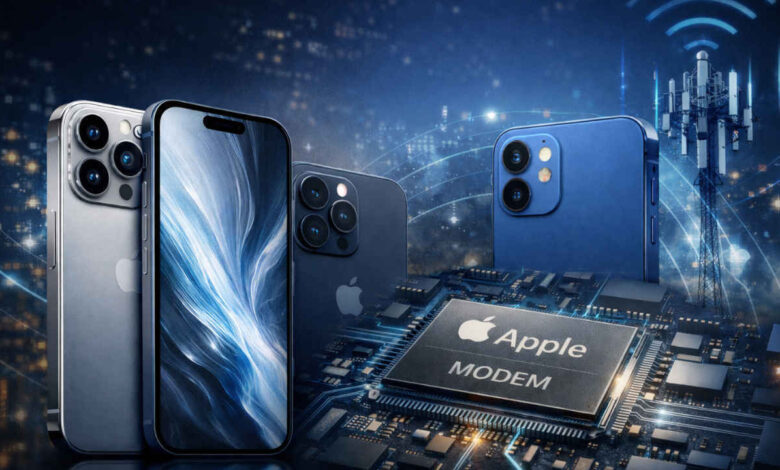
Global technology giant Apple could soon face a pricing dilemma as rising component costs begin to reshape the smartphone industry. Industry analysts suggest that increasing expenses tied to memory components may eventually translate into higher prices for future iPhone models.
The pressure is coming largely from the rapid expansion of artificial intelligence infrastructure. As AI data centers scale up worldwide, demand for memory components has surged sharply. This has created a ripple effect across industries, especially for smartphone manufacturers that rely heavily on the same supply chain. What was once a relatively small cost element in smartphones is now becoming a major contributor to overall production expenses.
Reports indicate that memory components, which typically account for around 10 to 15 percent of a smartphone’s cost, could rise significantly in share. In Apple’s case, that proportion may climb to nearly 45 percent in the coming years. Such a shift could make it difficult for the company to absorb the added expense without adjusting retail pricing.
Despite these challenges, Apple has continued to secure memory supplies, even at higher costs, signaling its intent to maintain production stability. However, this strategy may not be sustainable in the long term without passing some of the burden to consumers. The situation highlights how evolving technology trends, especially in AI, are beginning to influence even established product categories like smartphones.


The broader market context adds another layer of complexity. Global smartphone shipments declined by about six percent year over year in the first quarter, reflecting cautious consumer demand and ongoing supply constraints. Yet, Apple managed to outperform the trend, securing the top position in global shipments with a market share of around 21 percent and modest annual growth.
Part of this growth has been driven by strong demand in regions such as Asia Pacific, including India, where the latest iPhone lineup continues to attract buyers. At the same time, Apple has been working to reduce its reliance on China by expanding manufacturing operations in countries like India and the United States. Still, critical components like memory chips remain tied to a limited number of global suppliers, making diversification difficult.
In parallel, the semiconductor ecosystem is also under strain. Shipments of smartphone chips have reportedly declined, largely due to shortages in memory components. Interestingly, major players such as Apple and Samsung have managed to maintain or even grow their chip related shipments, indicating stronger supply chain control compared to competitors.
With AI continuing to reshape demand patterns and supply chains under pressure, the possibility of more expensive smartphones is becoming increasingly real. For consumers, this could mean paying a premium not just for innovation, but also for the rising cost of the technology that powers it.