



Tehran: Iran is facing an unprecedented crisis after its supreme leader, Ayatollah Ali Khamenei, was reportedly killed in a joint military strike by Israel and the United States on Saturday night.
The attack, targeting strategic locations, has sent shockwaves across West Asia, raising urgent questions about Iran’s leadership and regional stability.
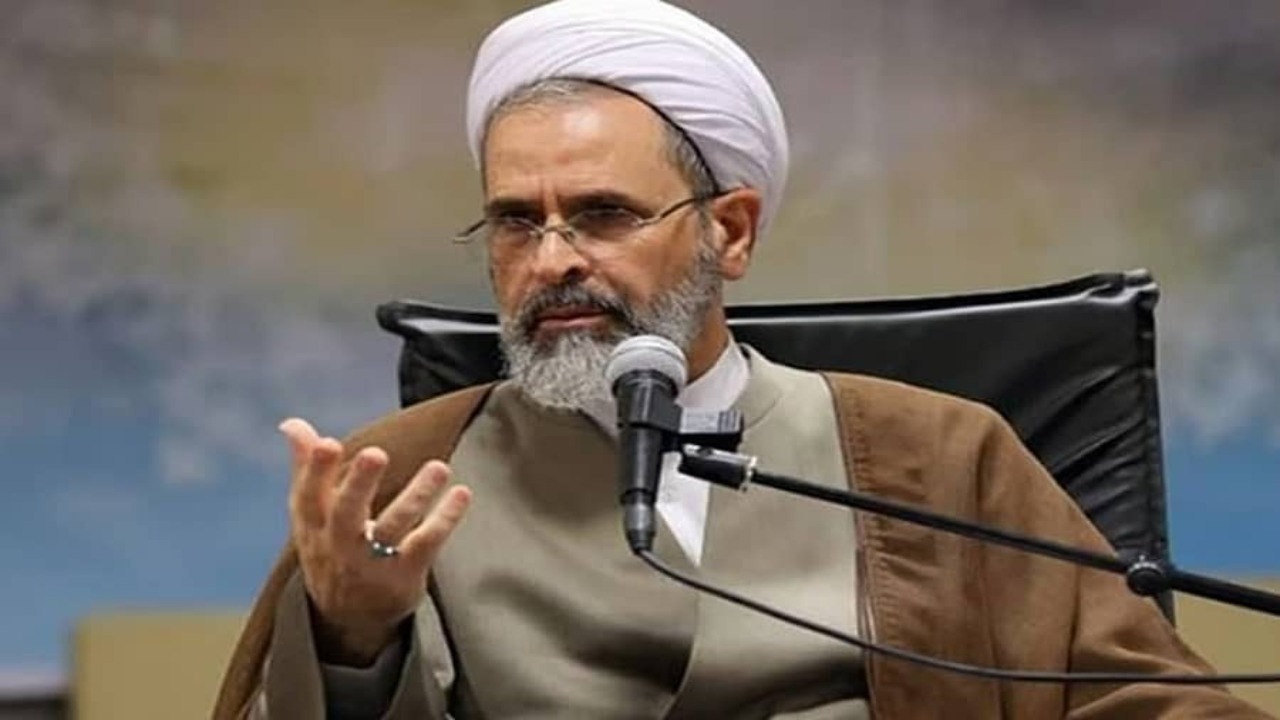
Although initial speculation suggested that Khamenei’s son, Mojtaba Khamenei, might succeed him, the Guardian Council has appointed Ayatollah Alireza Arafi as Iran’s interim supreme leader.
Arafi has also been entrusted with responsibilities previously held by Iran’s President Masoud Pezeshkian and Chief Justice Gholamhossein Mohseni Ejei, consolidating his authority during this sensitive transition period. The appointment aims to stabilize governance and maintain continuity amid the crisis.
Iran has reportedly launched retaliatory operations in response to the strike, further escalating tensions in West Asia. The international community is closely monitoring developments, with concerns over potential wider conflict and implications for regional security.
U.S. President Donald Trump described Khamenei as “one of the most brutal figures in history” and confirmed his death via his social media platform Truth Social. Iranian officials have vowed to retaliate against the attackers, emphasizing that those responsible will face consequences.
With Ayatollah Alireza Arafi now at the helm, the world watches closely as Iran navigates leadership succession, internal stability, and external military threats. Analysts suggest that Arafi’s leadership will be critical in shaping Iran’s domestic and foreign policy in the coming months.
Also Read: Middle East tensions threaten India-Iran trade ties, disrupt exports and travel

