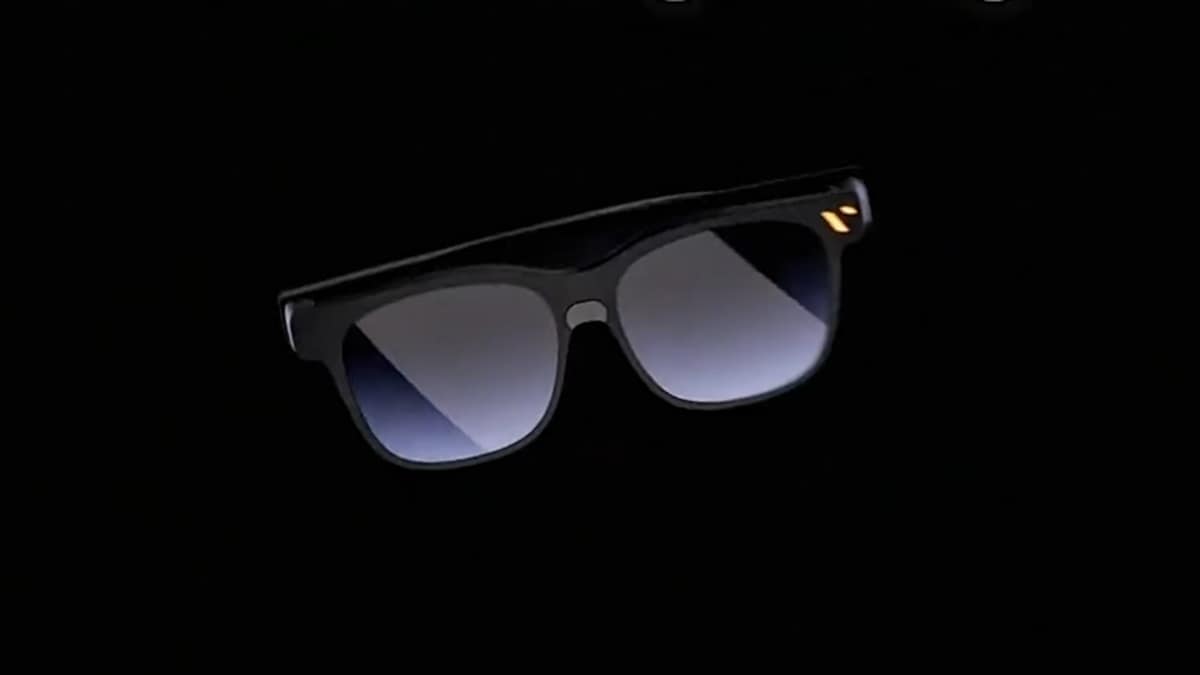
Viture has expanded beyond its usual video focused products with the launch of Vonder Smart Glasses, a new wearable designed around artificial intelligence, voice interaction and personal memory.
Unlike smart glasses that rely heavily on cameras or built in displays, Vonder takes a simpler approach. The glasses do not include a camera or display, and they do not continuously record audio. Instead, the device uses microphones, speakers, a processor and physical controls to provide its main features.
Privacy is one of the central ideas behind the product. Vonder records audio only when the user specifically activates the relevant function. During regular use, the glasses are designed to recognise and capture the users own voice rather than continuously recording surrounding conversations.
A dedicated physical switch can also be used to activate meeting mode. When this mode is turned on, an LED indicator provides a visible signal that recording is active. The company says the mode can capture different voices during meetings and conversations, making it easier to preserve useful information from discussions.
Vonder also takes a different approach to storing recorded audio. According to the company, the original audio is not retained. Instead, the system converts the captured information into text and memories before deleting the original recording.
The glasses are powered by Vonders Personal Memory Graph AI system. The technology is designed to process information gathered through the device and help users remember useful details later. Voice commands can also be used for tasks such as taking notes and making hands free calls.
Another interesting feature is the option to use different AI models through the companion application. Users can reportedly select services including Gemini, Claude and ChatGPT depending on their requirements.
The hardware itself has been kept relatively simple. Vonder does not have the additional components required for a display or camera, allowing the company to keep the weight at around 30 grams. The glasses contain the microphones, processor, buttons and speakers needed for their smart functions.
Because of the lightweight design, Vonder is intended to look more like conventional eyewear than a bulky technology product. Users can also customise the frames by choosing from different colours and finishes.
Prescription options are available as well. The glasses can be configured with prescription lenses, including progressive and transition lens options. This allows Vonder to be used as everyday eyewear rather than being limited to occasional technology use.
Battery performance is another part of the product aimed at everyday convenience. Viture says the glasses can operate for an entire day on a single charge. Fast charging can bring the battery to 80 percent in about 25 minutes.
The company has positioned Vonder as a product that can fit into different work environments. Its voice based controls and meeting features could be useful for people who want to take notes or remember discussions without repeatedly reaching for a smartphone.
The absence of a camera and display also changes the way the glasses interact with their surroundings. Instead of showing information directly in front of the users eyes, Vonder focuses on capturing and processing spoken information.
In the United States, Viture Vonder Smart Glasses will be available for preorder from September 28 through the Vonder website and Best Buy stores. The starting price is 299 dollars, with deliveries expected to begin in November.
Customers outside the United States can currently register their interest in the product, according to the supplied launch information. International pricing and availability have not been specified.
The launch reflects a growing interest in AI wearables that are designed to assist with everyday activities rather than simply provide entertainment. Vonder is built around the idea of turning spoken information into searchable personal memories while keeping the physical design close to ordinary glasses.
Its privacy focused approach will be particularly important because the product is designed to interact with conversations and meetings. The physical recording switch, visible LED indicator and decision not to retain original audio are therefore key parts of the overall design.
With a lightweight frame, prescription lens support, AI model choices and full day battery life, Viture Vonder Smart Glasses are aimed at users who want an AI assistant that can operate without requiring a phone to be constantly in hand.