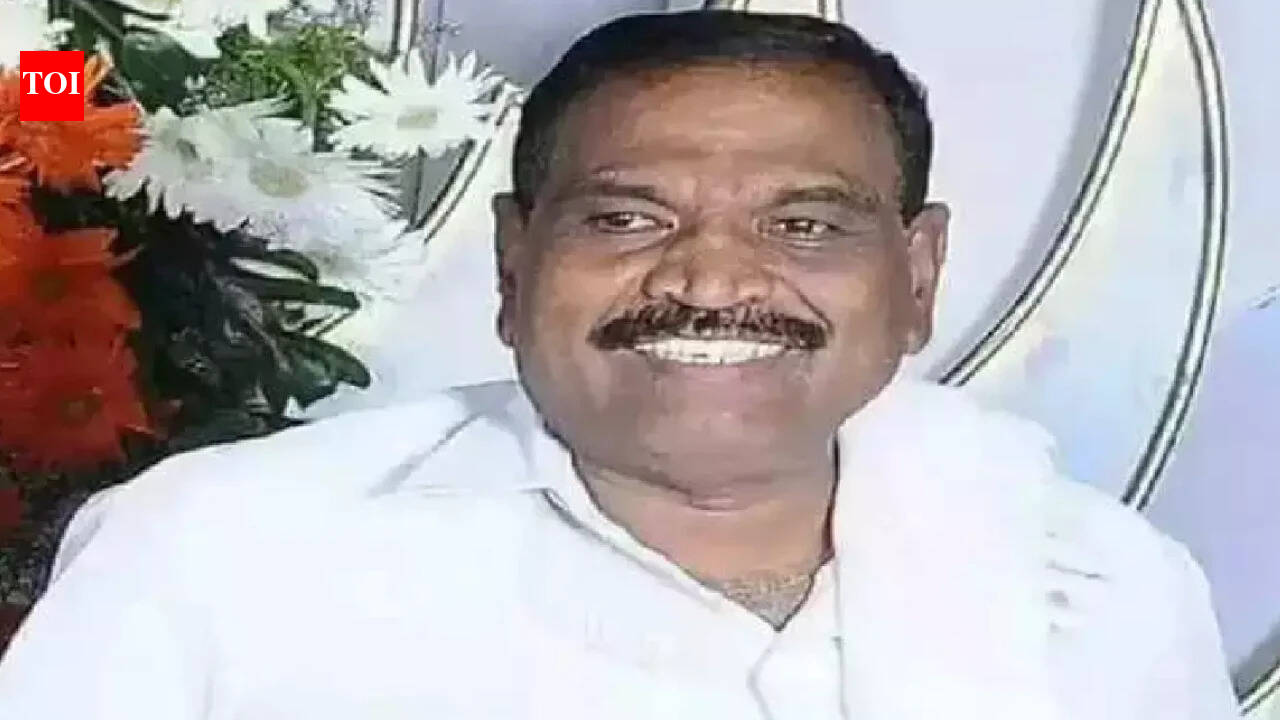
A controversy surrounding Karnataka minister K M Shivlinge Gowda has intensified after the Mysuru based Voice of People organisation filed a complaint with the Lokayukta over remarks he made during a public meeting in Sakleshpur.
The organisation has accused the minister of making a statement that could be understood as encouraging people to give money to officials. It has demanded that Shivlinge Gowda step down from his ministerial position and publicly clarify or apologise for the statement.
Voice of People chief Vasanth Rao Chauhan said the organisation would also approach the Governor over the matter. He further said that a public campaign would be taken up if the minister did not respond to the demand.
The controversy centres on comments made by Shivlinge Gowda during a Praja Seva Andolana meeting held at the Sakleshpur tahsildar office premises in Hassan district. While speaking about interactions between citizens and government officials, the minister said that people should treat officials respectfully when their work was completed.
The remark drew objections from some people present at the meeting. Questions were reportedly raised about why citizens should give money to officials when government employees already receive salaries.
Shivlinge Gowda later clarified his position. He said his remarks were not intended to ask people to pay bribes and that he was only speaking about maintaining respectful relations with officials.
The clarification, however, has not ended the controversy. The Voice of People organisation has continued to demand action and has approached the Lokayukta with its complaint.
The group has argued that statements made by public representatives carry particular importance because citizens may interpret them as guidance about dealing with government offices. It has therefore sought scrutiny of the minister’s remarks and demanded that he take responsibility for what was said.
The dispute has also brought attention to the larger issue of corruption and public interaction with government departments. Citizens frequently approach government offices for certificates, approvals, welfare benefits and other services, making clear communication about official procedures important.
At the same time, the minister’s explanation provides a different interpretation of the statement. Shivlinge Gowda has maintained that he was referring to respectful behaviour rather than asking citizens to make unofficial payments to officials.
The Lokayukta complaint now adds a formal dimension to the controversy. The complaint itself represents the organisation’s allegations and demands and does not establish wrongdoing by the minister.
The issue is expected to remain under discussion as political and public reactions continue. Whether the complaint leads to any further proceedings will depend on the authorities examining the allegations and the available material.
For now, the central point of the controversy remains the interpretation of Shivlinge Gowda’s original statement and his subsequent explanation. The minister has denied that he was asking people to pay bribes, while the organisation that filed the complaint has taken a different view of the remarks.
The demand for his resignation and the decision to approach the Lokayukta have therefore turned what began as a comment at a public meeting into a wider political and administrative controversy.