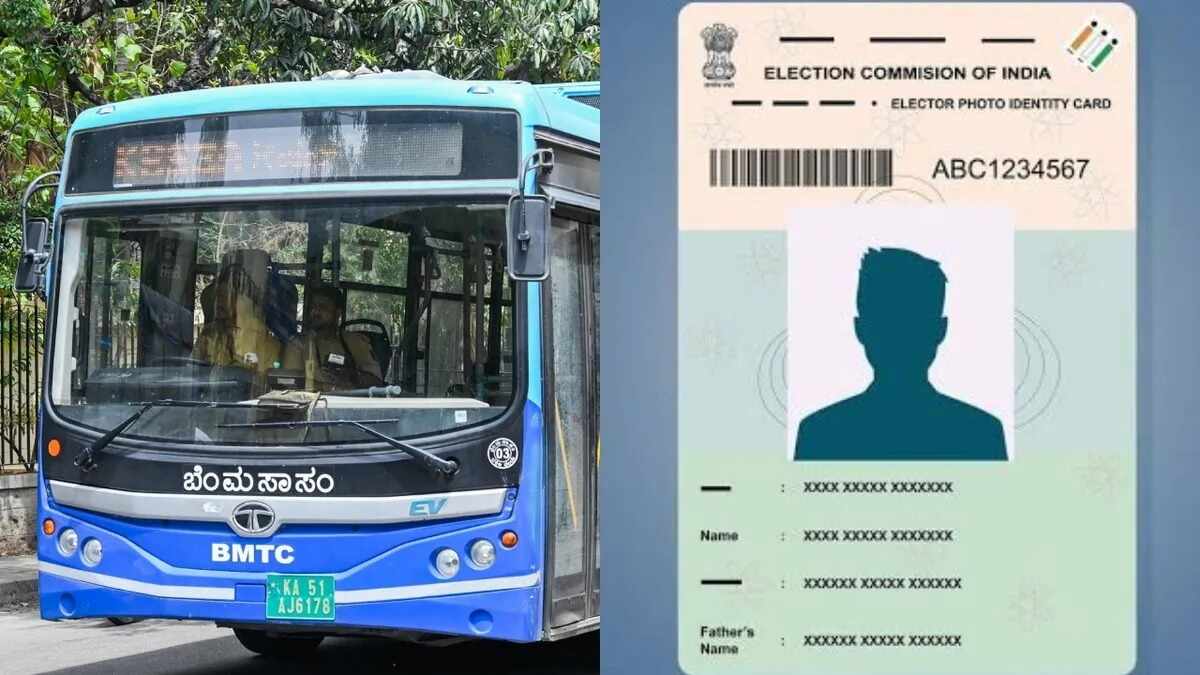
The Karnataka government is preparing to introduce Shakti Smart Cards for beneficiaries of its free bus travel scheme. The move is aimed at creating a dedicated identification system for passengers and reducing complaints about misuse of the benefit.
The Shakti scheme was introduced in Karnataka on June 11 2023. It allows eligible women to travel without paying fares on buses operated by the states four transport corporations. The scheme has become one of the most visible parts of the state governments guarantee programme.
Officials are now looking at a smart card based system instead of depending mainly on Aadhaar for verification during bus journeys. The proposed card is expected to carry beneficiary details and will be linked to the passengers eligibility under the scheme.
The government has reportedly invited a tender for producing around one crore Shakti Smart Cards at an estimated cost of Rs 250 crore. The plan is expected to be introduced in phases, with Bengaluru Metropolitan Transport Corporation being considered for the initial rollout.
The first phase is expected to focus on BMTC passengers before the system is extended to other transport corporations. The four corporations covered by the scheme are BMTC, KSRTC, NWKRTC and KKRTC.
One of the main reasons behind the proposed change is the governments concern over passengers allegedly using fake or improper identity documents to access free travel. Officials have been examining ways to make verification more reliable and ensure that the benefit reaches eligible beneficiaries.
The proposed smart card will use NFC technology. Passengers can present the card during their bus journey, allowing conductors to verify the beneficiary details electronically. The system is also expected to work with electronic ticketing equipment used by the transport corporations.
Around 11000 electronic ticketing machines have already been taken on contract by BMTC, according to the information provided by the transport authorities. These machines could play an important role in checking the new cards once the system is introduced.
The proposed card is expected to contain details such as the beneficiaries name, photograph, Aadhaar number and address. The card would be issued specifically to the registered beneficiary and is not expected to be transferable to another person.
The government is also considering making the cards available to women and transgender beneficiaries without charging them for the card. Applications are expected to be facilitated through service centres such as Bangalore One, Karnataka One and Bapuji Seva Kendras, along with online application facilities.
The source information also states that voter ID and Aadhaar documents may be required during the application process. However, the final eligibility and documentation requirements will depend on the governments official implementation guidelines.
The proposed system is intended to make identification easier for transport staff while reducing the possibility of one person using another persons benefit. A dedicated card could also help the transport corporations maintain a clearer record of scheme usage.
There is also a proposal to make the smart card usable for Namma Metro travel. If implemented as planned, this could give beneficiaries another form of public transport access through the same identification system. The exact terms of such integration would depend on the final rules announced by the authorities.
The rollout is being considered as part of a broader review of the states guarantee schemes. The government has already been examining ways to manage the financial impact of schemes such as Gruha Lakshmi and Gruha Jyothi while ensuring that intended beneficiaries continue to receive support.
For regular passengers, the biggest change would be the verification process. Instead of showing Aadhaar documents for every journey, beneficiaries could eventually use the Shakti Smart Card while travelling on eligible buses.
The government hopes that a dedicated identification system will make the scheme easier to monitor and reduce incorrect claims. At the same time, the success of the plan will depend on smooth card distribution, accurate beneficiary registration and reliable electronic verification across the transport network.
The proposed rollout is therefore being watched closely by passengers as well as transport corporations. Once the tender process and implementation arrangements are completed, more details about application dates, card collection centres and eligibility are expected to become clear.